Hydromassage vs Regular Massage: Cost, Effectiveness, and Which One Is Right for You
Two Very Different Approaches to the Same Goal
Both hydromassage and traditional manual massage aim to reduce muscle tension, improve circulation, and relieve pain. But they achieve these goals through fundamentally different mechanisms — and choosing between them depends on your specific needs, budget, and preferences.
Hydromassage uses pressurised water jets to create mechanical pressure against the body, either through a jetted tub, a hydromassage bed (dry — no direct water contact), or a specialised shower panel. Traditional massage uses a trained therapist’s hands, fingers, elbows, and forearms to manually manipulate soft tissues.
Head-to-Head Comparison
| Factor | Hydromassage | Regular Massage |
|---|---|---|
| Delivery | Water jets (machine-driven) | Human hands (therapist-driven) |
| Cost per session | $15–$35 (or free with gym membership) | $60–$150+ (60-min session) |
| Session length | 10–30 minutes | 30–90 minutes |
| Customisation | Adjustable pressure, zone targeting, temperature | Fully adaptive to individual anatomy and feedback |
| Privacy | Fully clothed (dry) or swimwear (wet) | Undressed/draped — requires comfort with touch |
| Availability | Gyms, spas, some chiropractors; 24/7 if home unit | By appointment only; therapist availability varies |
| Consistency | Identical pressure every time | Varies by therapist skill, energy, and technique |
| Warmth | Heated water adds thermal therapy benefits | Optional (hot stones, heated table) — not standard |
| Deep tissue work | Limited — jets can’t replicate finger precision | Excellent — therapist can target specific trigger points |
| Emotional/relaxation | Moderate — no human connection element | High — human touch activates oxytocin release |
| Hygiene concerns | Shared equipment requires cleaning protocols | Clean linens per client; therapist hygiene |
How Hydromassage Works
Hydromassage systems come in three main forms:
Wet Hydromassage (Jetted Tubs and Pools)
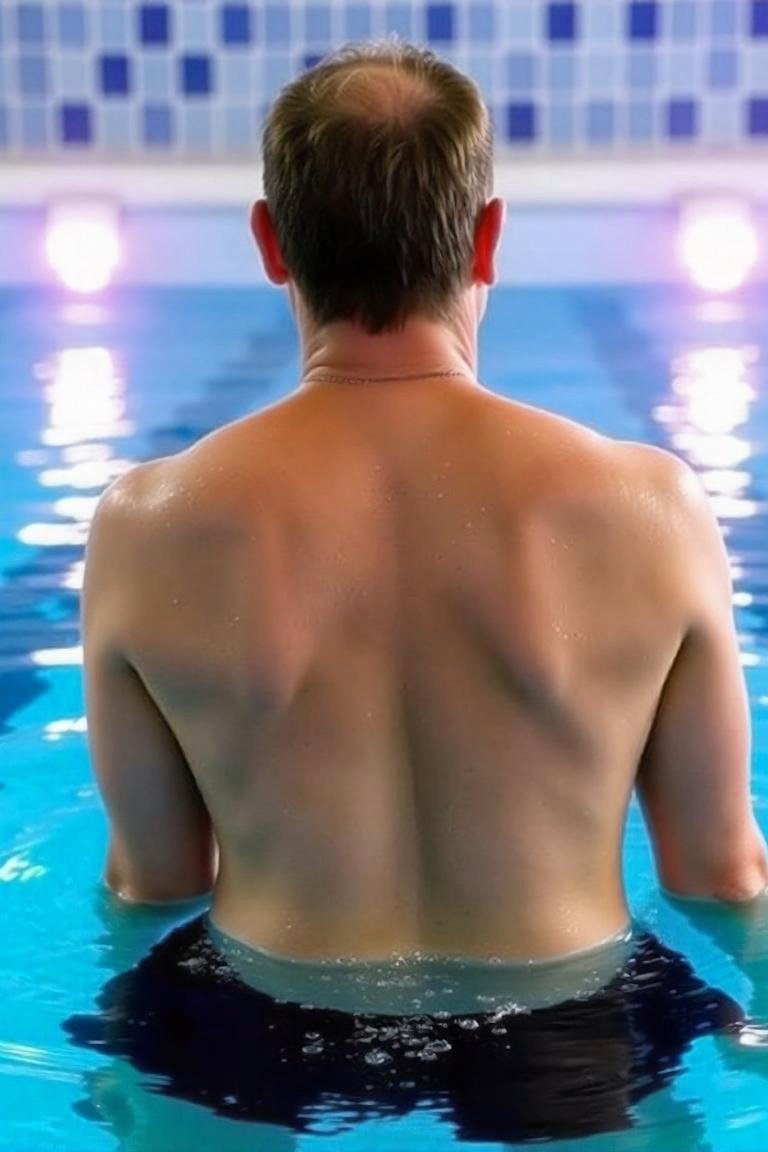
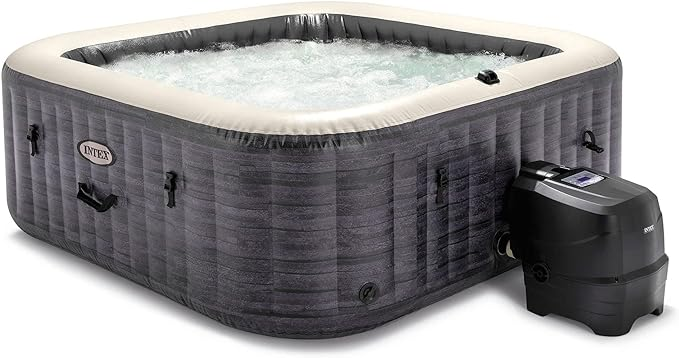
You sit or lie in warm water (36–40°C) while jets direct pressurised streams at specific muscle groups. The combination of heat, buoyancy, and mechanical pressure creates a “triple effect” — muscle relaxation from warmth, joint decompression from buoyancy, and tissue manipulation from water pressure. Many hydrotherapy tubs offer adjustable jet configurations for different body zones.
Dry Hydromassage Beds
You lie fully clothed on a padded surface while heated water jets pulse beneath a waterproof membrane. No direct water contact. Common in gyms (Planet Fitness, LA Fitness) and chiropractic offices. Sessions typically last 10–15 minutes.
Vichy Shower / Shower Panels
Multiple overhead shower heads direct warm water streams across the back and body while you lie on a treatment table. Often combined with manual massage in spa settings.
For a deeper look at the equipment options, see our hydromassage tables vs. hydrotherapy pools comparison.
How Traditional Massage Works
Manual massage encompasses multiple techniques — Swedish, deep tissue, sports, trigger point, myofascial release, and many more. A skilled therapist can:
- Palpate tissue to identify specific adhesions and trigger points
- Adjust pressure and angle in real-time based on tissue response
- Work along specific fascial lines and muscle fibre directions
- Address scar tissue and post-surgical adhesions
- Provide proprioceptive feedback that aids neurological recovery
When Hydromassage Is the Better Choice
- Budget constraints — At $15–$35 per session (or included with a gym membership), hydromassage is 3–5× cheaper than manual massage. For ongoing maintenance, this adds up.
- Convenience and frequency — No appointment needed. Available at the gym, at home (with equipment), or at walk-in spas. You can use it daily if needed.
- Discomfort with being touched — Dry hydromassage beds allow fully clothed treatment with no human contact. This matters for people with touch sensitivity, trauma history, or simple preference for privacy.
- General muscle tension and stress — For non-specific tightness, soreness from exercise, or daily stress relief, hydromassage provides adequate mechanical stimulation at a fraction of the cost.
- Heat therapy benefits — Wet hydromassage combines warm water immersion with massage — you get the thermal effects (vasodilation, muscle relaxation, pain modulation) automatically. Learn more about the underlying mechanisms in the science behind hydrotherapy.
- Pre- and post-workout recovery — Quick 10–15 minute sessions before or after training are practical and effective. Our athlete recovery protocols cover optimal timing.
When Traditional Massage Is the Better Choice
- Specific injuries or conditions — A therapist can palpate, assess, and treat specific problems (rotator cuff tension, IT band syndrome, piriformis syndrome) with precision that jets can’t match.
- Deep tissue and trigger point work — Sustained pressure on a specific trigger point requires the accuracy of human fingers or elbows. Water jets spread pressure over a broader area.
- Post-surgical rehabilitation — Scar tissue mobilisation and careful work around surgical sites requires the adaptive touch of a skilled therapist. See our guide on hydrotherapy in post-surgical recovery for how water therapy fits into the broader rehab picture.
- Mental health and emotional wellbeing — Human touch triggers oxytocin release, reduces cortisol, and provides a therapeutic connection that machines cannot replicate. For mental health benefits, the combination of both modalities may be ideal.
- Complex conditions — Therapists trained in medical massage can adapt techniques for conditions like lymphedema, fibromyalgia, or chronic pain syndromes in ways that require clinical reasoning.
- Personalised assessment — A good therapist provides ongoing assessment, identifies compensatory patterns, and adjusts treatment plans across sessions.
Cost Comparison Over Time
| Scenario | Hydromassage (Annual) | Manual Massage (Annual) |
|---|---|---|
| 1× per week | $780–$1,820 | $3,120–$7,800 |
| 2× per month | $360–$840 | $1,440–$3,600 |
| 1× per month | $180–$420 | $720–$1,800 |
| Gym membership (included) | $0 (beyond membership) | N/A |
| Home equipment (one-time) | $300–$5,000 | N/A (can’t self-administer) |
Can You Combine Both?
Absolutely — and this is often the most effective approach. A practical strategy:
- Monthly deep tissue massage ($80–$120) for targeted clinical work, trigger point release, and assessment
- Weekly hydromassage ($15–$35 or gym-included) for ongoing maintenance, stress relief, and muscle recovery between appointments
- Total monthly cost: $140–$260 vs. $320–$600 for weekly manual massage
This gives you the precision of human touch where it matters most, with the convenience and affordability of hydromassage for regular upkeep.
What About Chronic Pain?
For chronic pain management, the ideal approach depends on the pain source:
- Widespread muscle tension (fibromyalgia, stress-related) → Hydromassage provides consistent, affordable relief across large areas
- Localised trigger points or adhesions → Manual massage is more effective for targeted release
- Joint-related pain (arthritis, back pain) → Wet hydromassage (warm water + jets) combines thermal therapy with massage — potentially more beneficial than either alone. See our hydrotherapy for back pain guide.
Frequently Asked Questions
Is hydromassage as good as a regular massage?
It depends on your goal. For general relaxation, muscle soreness, and stress relief, hydromassage provides comparable benefits at a fraction of the cost. For specific injuries, trigger point release, deep tissue work, or conditions requiring clinical assessment, traditional massage is superior. Neither is universally “better” — they serve different purposes.
How often should you do hydromassage?
Hydromassage can be used safely 2–4 times per week for general maintenance and recovery. Some athletes use it daily during heavy training periods. There’s no strict limit, but if you experience skin irritation (from wet hydromassage chemicals) or increased soreness, reduce frequency. Start with 2 times per week and adjust based on how you respond.
Does hydromassage actually do anything?
Yes. Research shows hydromassage reduces muscle soreness (DOMS), decreases perceived pain, improves circulation, and promotes relaxation. A 2021 study found that hydromassage beds reduced post-exercise muscle soreness comparably to manual massage. The effects are real — though they may be less targeted and less intense than skilled manual therapy.
Is hydromassage good for back pain?
Wet hydromassage (jetted tubs) is particularly effective for back pain because it combines three mechanisms: warm water relaxation, buoyancy-based spinal decompression, and targeted jet pressure on paraspinal muscles. Dry hydromassage beds also help by providing consistent pressure across the back. For severe or chronic back pain, hydromassage works best alongside structured treatment.
Can hydromassage replace physical therapy?
No. Hydromassage provides symptomatic relief (pain reduction, relaxation) but doesn’t address underlying causes like muscle weakness, movement dysfunction, or structural issues. Physical therapy includes assessment, progressive exercise programming, and functional retraining that hydromassage cannot provide. Think of hydromassage as a complement to — not a replacement for — active rehabilitation.
]]>