Hydrotherapy for Stroke Recovery: How Water-Based Rehabilitation Restores Movement and Independence
Stroke survivors face one of the most challenging rehabilitation journeys in medicine. The sudden loss of motor control, balance, and coordination can leave patients feeling trapped in their own bodies. Traditional land-based therapy, while essential, often creates frustration when gravity makes every movement feel impossibly heavy. That’s where hydrotherapy enters the picture — and the research strongly supports its role in stroke recovery.
Water-based rehabilitation offers stroke survivors something no gym or therapy room can: an environment where weakened muscles can move freely, where the fear of falling virtually disappears, and where neuroplasticity — the brain’s ability to rewire itself — gets a powerful boost from the multisensory experience of warm water.
Why Water Works for Stroke Rehabilitation
When a stroke damages brain tissue, the neural pathways that control movement are disrupted. Recovery depends on the brain’s ability to create new connections — a process called neuroplasticity. Hydrotherapy accelerates this process through several mechanisms that land-based therapy simply cannot replicate.
Buoyancy reduces body weight by up to 90% when immersed to chest level, allowing stroke survivors to attempt movements that would be impossible on land. A patient who cannot lift their affected arm against gravity can often raise it through a full range of motion in water. This successful movement sends positive feedback to the brain, reinforcing new neural pathways.
Hydrostatic pressure provides continuous sensory input to the skin and muscles, helping to retrain proprioception (the body’s sense of where it is in space) — a function commonly impaired after stroke. The water’s resistance also provides natural, graded resistance that increases with movement speed, allowing patients to self-regulate their exercise intensity.
Water temperature between 33-35°C (91-95°F) reduces muscle spasticity, one of the most common and debilitating post-stroke complications. Warm water relaxes hypertonic muscles while improving blood flow to affected limbs, creating an optimal environment for therapeutic exercise.
What the Research Says
The evidence base for aquatic therapy in stroke rehabilitation has grown substantially over the past decade. Here are the key findings from systematic reviews and clinical trials:
| Study | Sample | Duration | Key Finding |
|---|---|---|---|
| Matsumoto et al., 2022 (Cochrane Review) | 24 trials, 1,200+ participants | Various | Aquatic therapy significantly improved walking speed and balance compared to no therapy |
| Cha et al., 2023 (Gait & Posture) | 45 chronic stroke patients | 8 weeks, 3x/week | 20% improvement in Berg Balance Scale scores; 15% improvement in gait speed |
| Kim et al., 2021 (J. Physical Therapy Science) | 30 subacute stroke patients | 6 weeks | Aquatic group showed 28% greater improvement in trunk control vs. land-based group |
| Noh et al., 2022 (Clinical Rehabilitation) | 40 patients, 6+ months post-stroke | 12 weeks | Significant improvements in upper extremity function (Modified Ashworth Scale) and reduced spasticity |
| Park et al., 2023 (Disability and Rehabilitation) | 36 chronic stroke survivors | 8 weeks, 2x/week | Improved cardiovascular fitness (VO2 max increased 12%) alongside motor recovery |
A notable finding across multiple studies is that aquatic therapy benefits both subacute (2 weeks to 6 months post-stroke) and chronic (6+ months post-stroke) patients — challenging the outdated notion that meaningful recovery stops after a certain time window.
Phase-Based Aquatic Rehabilitation Protocol
Stroke recovery is not a one-size-fits-all process. The aquatic exercises and approach should match the patient’s current functional level. Here is a phase-based protocol commonly used in rehabilitation centres:
Phase 1: Early Recovery (Subacute, 2-8 Weeks Post-Stroke)
Goal: Reintroduce movement patterns, reduce spasticity, improve trunk control
| Exercise | Purpose | How to Perform | Duration |
|---|---|---|---|
| Supported standing | Weight-bearing through affected leg | Stand in chest-deep water with therapist support, shift weight side to side | 5-10 min |
| Trunk rotation | Core stability and balance | Seated on pool bench, slowly rotate torso left and right using water resistance | 10 reps each side |
| Passive arm floats | Reduce spasticity in affected arm | Float affected arm on surface using a pool noodle, gentle guided movements | 5 min |
| Marching in place | Hip flexion and weight shifting | Lift knees alternately in chest-deep water, hold rail if needed | 2 sets of 10 |
Water temperature: 34-35°C (93-95°F) — warmer to maximise spasticity reduction
Phase 2: Active Recovery (8 Weeks to 6 Months Post-Stroke)
Goal: Improve gait pattern, increase strength, develop balance reactions
| Exercise | Purpose | How to Perform | Duration |
|---|---|---|---|
| Forward/backward walking | Gait retraining | Walk across pool in waist-deep water, focus on heel-toe pattern | 4 x pool width |
| Side-stepping | Lateral stability and hip abduction | Step sideways along pool wall, leading with affected leg then unaffected | 3 x pool length each direction |
| Arm reaches with resistance | Upper extremity strengthening | Push water paddles forward, sideways, and overhead in shoulder-deep water | 3 sets of 8 |
| Single-leg stance | Balance and proprioception | Stand on one leg in waist-deep water, hold 10 seconds, alternate legs | 5 reps per leg |
| Kickboard propulsion | Leg strength and coordination | Hold kickboard and kick across pool, focusing on affected leg engagement | 2 x pool length |
Water temperature: 33-34°C (91-93°F) — slightly cooler to allow for increased exercise intensity
Phase 3: Chronic Recovery and Maintenance (6+ Months Post-Stroke)
Goal: Maximise functional independence, improve cardiovascular fitness, maintain gains
| Exercise | Purpose | How to Perform | Duration |
|---|---|---|---|
| Interval walking | Cardiovascular fitness and endurance | Alternate 1 min fast walking with 2 min moderate walking in waist-deep water | 15-20 min |
| Underwater treadmill | Gait speed and symmetry | Walk on underwater treadmill at progressively faster speeds | 10-15 min |
| Resistance circuit | Full-body strengthening | Rotate through 6 stations: squats, arm pulls, step-ups, trunk rotations, leg lifts, wall push-ups | 30 sec per station, 3 rounds |
| Tandem walking | Dynamic balance | Walk heel-to-toe along pool lane line in hip-deep water | 3 x pool length |
| Dual-task training | Cognitive-motor integration | Walk while counting backward, catching a ball, or reciting days of the week | 10 min |
Water temperature: 32-33°C (90-91°F) — cooler to support sustained cardiovascular exercise
Addressing Spasticity Through Water Therapy
Spasticity — the involuntary tightening of muscles — affects up to 40% of stroke survivors and is one of the primary barriers to movement recovery. Hydrotherapy addresses spasticity through multiple pathways:
- Thermal effects: Warm water (33-35°C) reduces gamma motor neuron activity, decreasing muscle tone within minutes of immersion
- Hydrostatic pressure: Continuous pressure on the limbs provides calming sensory input that competes with spastic signals
- Slow, rhythmic movement: The water environment naturally encourages slower movements, which are less likely to trigger spastic reflexes than fast land-based exercises
- Prolonged stretching: Buoyancy allows sustained stretches of spastic muscles without the pain of gravity-assisted stretching
A practical technique for spasticity management: Begin each pool session with 5-10 minutes of gentle floating or slow walking in warm water before progressing to active exercises. This “warm-up” period allows the thermal and hydrostatic effects to reduce baseline muscle tone, making subsequent exercises more productive.
Upper Extremity Recovery in Water
Arm and hand function recovery is notoriously difficult after stroke, with many patients experiencing limited improvement through conventional therapy alone. Water-based upper extremity training offers unique advantages:
- Gravity elimination: Patients who cannot lift their affected arm on land can often move it through full range of motion when submerged to shoulder level
- Graded resistance: Moving faster through water increases resistance naturally, allowing patients to progressively challenge themselves
- Bilateral training: Using both arms simultaneously in water (e.g., pushing a ball between hands) activates mirror neuron pathways that may promote recovery of the affected side
- Fine motor work: Picking up sinking objects, manipulating water toys, and squeezing sponges in warm water can improve hand dexterity
Research by Noh et al. (2022) found that 12 weeks of aquatic upper extremity training resulted in a 22% improvement on the Modified Ashworth Scale (measuring spasticity) and significant gains in the Action Research Arm Test, compared to a 9% improvement in the land-based control group.
Balance and Fall Prevention
Falls are the most common complication after stroke, with up to 73% of stroke survivors falling within 6 months of discharge. Aquatic therapy is uniquely suited for balance training because:
- Safe environment: If a patient loses balance in the pool, the water prevents a hard fall — dramatically reducing fear of falling, which itself is a major barrier to mobility
- Turbulent challenge: Water currents and waves created by the patient’s own movement provide constant, unpredictable balance challenges that train reactive balance responses
- Sensory retraining: The hydrostatic pressure and thermal input from water help retrain the vestibular and proprioceptive systems
The Cha et al. (2023) study found that 8 weeks of aquatic balance training improved Berg Balance Scale scores by an average of 8 points — clinically significant enough to represent a meaningful reduction in fall risk. For context, as described in our guide to hydrotherapy exercises, even basic water-based movements provide substantial balance benefits.
Psychological Benefits of Aquatic Stroke Rehabilitation
The psychological impact of stroke is often underestimated. Depression affects 30-50% of stroke survivors and can significantly impair rehabilitation outcomes. Hydrotherapy offers mental health benefits that complement the physical ones:
- Sense of accomplishment: Performing movements in water that are impossible on land builds confidence and motivation
- Social interaction: Group aquatic therapy classes provide peer support and reduce isolation
- Relaxation response: Warm water immersion activates the parasympathetic nervous system, reducing anxiety and stress hormones
- Improved sleep: Regular aquatic exercise has been shown to improve sleep quality, which supports neuroplasticity and recovery
For more on the connection between water therapy and mental wellness, our article on mental health benefits of hydrotherapy explores this topic in depth.
Home-Based Water Therapy for Stroke Survivors
Not every stroke survivor has access to a therapy pool, but water-based rehabilitation can begin at home with simple adaptations. Our hydrotherapy bath benefits guide covers the basics, and here are stroke-specific home exercises:
- Warm bath hand exercises: Fill a basin with warm water (34-36°C) and practise opening/closing the affected hand, picking up marbles, and squeezing a sponge
- Foot and ankle work: Soak feet in warm water and practise ankle circles, toe curls, and dorsiflexion — movements critical for gait recovery
- Contrast therapy: Alternate warm and cool water soaks (2 min warm, 1 min cool) to improve circulation to affected limbs. Learn more about this in our contrast water therapy guide
- Shower-based standing exercises: Use a shower chair and warm water stream while practising seated trunk rotations and arm raises
For patients with access to appropriate pools, the affordable hydrotherapy equipment options we review can support a home-based aquatic therapy programme. Always consult your rehabilitation team before starting any water-based exercises at home.
Safety Considerations for Stroke Survivors
While hydrotherapy is generally safe for stroke survivors, several important precautions apply:
- Medical clearance: Always obtain clearance from your neurologist or rehabilitation physician before starting aquatic therapy
- Supervision: Never swim or exercise in water alone — always have a trained professional or carer present, especially in early recovery stages
- Cardiovascular monitoring: Water immersion shifts blood volume toward the heart; patients with cardiac complications need careful monitoring
- Seizure precautions: Post-stroke seizures occur in 5-10% of patients — pool access should be restricted until seizure risk is assessed
- Skin integrity: Check for pressure sores or open wounds before entering the pool, as these increase infection risk
- Temperature sensitivity: Some stroke survivors have impaired temperature sensation — always test water temperature independently
Understanding the disadvantages and contraindications of hydrotherapy is essential before beginning any water-based programme. Your rehabilitation team can help determine the right time to start and the appropriate level of supervision.
How Hydrotherapy Compares to Land-Based Stroke Rehabilitation
Hydrotherapy is not meant to replace traditional physiotherapy — it complements it. Here’s how they compare for stroke recovery:
| Factor | Land-Based Therapy | Aquatic Therapy |
|---|---|---|
| Gravity | Full gravity — challenges strength but limits movement range | Reduced gravity — enables full ROM in weakened muscles |
| Fall risk | Real risk — increases fear and limits challenging exercises | Minimal risk — allows more aggressive balance training |
| Spasticity management | Stretching and positioning | Thermal + hydrostatic effects + stretching |
| Cardiovascular benefit | Depends on exercise intensity | Natural cardiac training from hydrostatic pressure |
| Accessibility | Widely available | Requires appropriate pool facility |
| Cost | Typically covered by insurance | Coverage varies — check your plan |
| Evidence level | Extensive | Growing, increasingly strong |
The best outcomes typically come from combining both approaches. Our hydrotherapy vs physical therapy comparison explores this relationship in detail. Many rehabilitation centres now integrate aquatic sessions alongside land-based physiotherapy for a comprehensive recovery programme.
Getting Started: Finding Aquatic Stroke Rehabilitation
If you or a loved one is recovering from stroke, here’s how to access aquatic therapy:
- Ask your rehabilitation team: Many hospitals and outpatient rehabilitation centres have therapy pools staffed with aquatic therapy-trained physiotherapists
- Search for Aquatic Therapy Association members: Professional organisations maintain directories of certified aquatic therapists
- Contact local hydrotherapy pools: Some hydrotherapy pool facilities offer supervised rehabilitation sessions
- Community pools with accessibility features: Many public pools have ramps, lifts, and warm-water therapy pools suitable for stroke rehabilitation
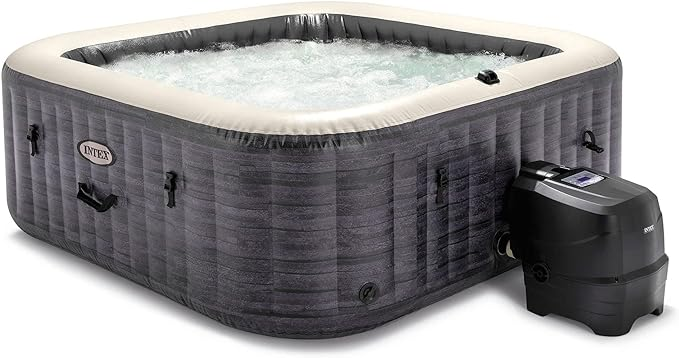
- Home options: For maintenance therapy, hydrotherapy tubs with jet features can provide ongoing therapeutic benefits
Frequently Asked Questions
How soon after a stroke can you start hydrotherapy?
Most patients can begin aquatic therapy 2-4 weeks after stroke, once medically stable. The exact timing depends on factors like wound healing (for hemorrhagic stroke), cardiovascular stability, and the ability to safely enter and exit the pool. Your neurologist and rehabilitation physician will determine when aquatic therapy is appropriate for your specific situation. Early intervention in the subacute phase (2 weeks to 6 months) has shown the greatest benefits in research studies.
Is hydrotherapy safe for someone with left-sided weakness after stroke?
Yes, hydrotherapy is safe for patients with hemiparesis (weakness on one side) when supervised by a trained aquatic therapist. In fact, the buoyancy of water makes it easier and safer to exercise the affected side than on land. The therapist will ensure proper positioning, provide hands-on support as needed, and modify exercises to match your current ability level. One key safety measure: always enter and exit the pool from the stronger side.
How many hydrotherapy sessions per week are recommended for stroke recovery?
Research studies showing significant benefits typically use 2-3 sessions per week, each lasting 30-60 minutes. The optimal frequency depends on your overall rehabilitation schedule and fatigue levels. Many patients find that 2 aquatic sessions combined with 2-3 land-based therapy sessions provides the best balance of recovery stimulus and rest. Your rehabilitation team can adjust the frequency based on your progress and tolerance.
Can hydrotherapy help with speech difficulties after stroke?
While hydrotherapy primarily targets motor recovery, the relaxation effects of warm water can indirectly support speech therapy by reducing overall muscle tension (including facial and oral muscles) and improving respiratory control. Some therapists incorporate breathing exercises and vocalisation activities during pool sessions. However, aquatic therapy is not a replacement for dedicated speech-language therapy — it works best as a complement to a comprehensive rehabilitation programme.
Does insurance cover hydrotherapy for stroke rehabilitation?
Coverage varies significantly by insurance plan and country. In many cases, aquatic therapy is covered when prescribed by a physician and performed by a licensed physiotherapist as part of a stroke rehabilitation programme. Check with your insurance provider about specific coverage for “aquatic physical therapy” or “hydrotherapy.” Some plans require pre-authorisation. If insurance does not cover aquatic therapy, community pools with warm-water therapy sessions may offer a more affordable alternative.
Will hydrotherapy help with chronic stroke (more than 1 year post-stroke)?
Yes. Research, including the Park et al. (2023) study mentioned above, demonstrates meaningful improvements in chronic stroke survivors. While the rate of recovery may be slower than in the acute phase, the brain retains its capacity for neuroplasticity well beyond the first year. Aquatic therapy can help chronic stroke survivors improve balance, walking speed, cardiovascular fitness, and quality of life — even years after the initial stroke event.
]]>