Hydrotherapy for Pregnancy: Safe Water Exercises and Pain Relief for Every Trimester
Pregnancy transforms your body in remarkable ways — and not all of them feel wonderful. Back pain affects up to 70% of pregnant women, swollen ankles become a daily reality, and as your centre of gravity shifts, even standing can feel like a balancing act. Water therapy offers something genuinely transformative: the moment you step into a warm pool, buoyancy lifts the weight of pregnancy from your joints, hydrostatic pressure reduces swelling, and the warmth soothes aching muscles. It is one of the safest and most effective forms of exercise during pregnancy.
Research consistently supports aquatic exercise during pregnancy for pain reduction, cardiovascular fitness, mental well-being, and even better labour outcomes. This guide covers what the evidence says, which exercises are safe for each trimester, and how to practise water therapy at home.
Why Water Is the Ideal Exercise Environment During Pregnancy
As pregnancy progresses, the increasing weight of baby, placenta, amniotic fluid, and increased blood volume places enormous demands on the musculoskeletal system. Water counteracts these challenges through several mechanisms documented in our science of hydrotherapy article:
- Buoyancy: Reduces apparent body weight by up to 90% at chest depth, relieving pressure on the spine, pelvis, hips, and knees. This is why many pregnant women describe stepping into a pool as “feeling like yourself again”
- Hydrostatic pressure: The gentle, even pressure of water on the legs acts as a natural compression garment, reducing oedema (swelling) by pushing excess fluid back into circulation. Studies show measurable reduction in leg circumference after just 30 minutes of immersion
- Temperature regulation: Water dissipates heat 25 times faster than air, preventing the overheating that makes land-based exercise uncomfortable and potentially risky during pregnancy
- Joint protection: The relaxin hormone loosens ligaments during pregnancy, increasing joint vulnerability. Water’s supportive environment allows exercise without the jarring impacts that could injure loosened joints
- Resistance without impact: Water provides gentle, multi-directional resistance that builds strength without the joint stress of weights or resistance bands
What the Research Shows
| Study | Participants | Protocol | Key Findings |
|---|---|---|---|
| Rodriguez-Blanque et al., 2023 (Midwifery) | 120 pregnant women | 17 weeks aquatic exercise, 3x/week | Reduced back pain by 42%, reduced epidural use during labour by 30% |
| Bacchi et al., 2022 (BJOG) | Systematic review, 2,000+ women | Various aquatic protocols | Aquatic exercise safe throughout pregnancy; reduced gestational diabetes risk, lower rates of preeclampsia |
| Cavalcante Siqueira Campos et al., 2021 (Reproductive Health) | 60 primiparous women | 12 weeks, 2x/week, 50-min sessions | Significantly shorter first stage of labour; higher newborn Apgar scores |
| Smith & Michel, 2022 (J. Midwifery & Women’s Health) | 45 women, third trimester | 8 weeks warm water immersion | Significant improvements in sleep quality and reductions in anxiety scores |
| Aguilar-Cordero et al., 2023 (J. Maternal-Fetal Medicine) | 75 women with gestational diabetes | 10 weeks aquatic exercise | Better glucose control than land-based exercise group; reduced insulin requirements |
Safe Water Temperature During Pregnancy
Temperature is the most important safety consideration for prenatal aquatic therapy. Elevated core body temperature in early pregnancy is associated with neural tube defects, so staying within safe ranges is essential.
| Temperature | Safety | Best Use |
|---|---|---|
| 28-30°C (82-86°F) | Safe for vigorous exercise | Swimming laps, aqua aerobics |
| 30-33°C (86-91°F) | Safe for moderate exercise | Water walking, gentle exercise classes |
| 33-35°C (91-95°F) | Safe for gentle activity only | Relaxation, gentle stretching, short immersion (under 20 min) |
| Above 35°C (95°F) | Avoid during pregnancy | Hot tubs, spas, and hot plunge pools should be avoided |
Key guideline: Keep your core temperature below 39°C (102.2°F). In practice, this means exercising in water no warmer than 33°C, and keeping sessions under 30 minutes if the water is above 32°C. Most prenatal aquatic exercise classes are held at 30-32°C — an ideal balance of comfort and safety. For more on how warm water affects the body, see our dedicated article.
Trimester-by-Trimester Aquatic Exercise Guide
First Trimester (Weeks 1-12)
Focus: Establishing an exercise routine, combating nausea, maintaining fitness
Most women can safely begin or continue aquatic exercise in the first trimester after confirming with their midwife or obstetrician. Nausea often improves with gentle activity, and the cool water can help ease queasiness.
| Exercise | Purpose | How to Perform | Duration |
|---|---|---|---|
| Water walking | Cardiovascular fitness | Walk laps in chest-deep water at a comfortable pace | 10-15 min |
| Flutter kicks (holding wall) | Leg strength and circulation | Hold pool edge, kick legs gently behind you | 2 x 1 min |
| Arm circles | Upper body mobility | Arms extended, make slow circles in shoulder-deep water | 10 each direction |
| Gentle swimming | Full-body fitness | Breaststroke or backstroke at easy pace | 10-15 min |
Tips: Stay hydrated. If nausea is an issue, eat a small snack 30-60 minutes before your session. Exit the pool if you feel dizzy or overly warm.
Second Trimester (Weeks 13-27)
Focus: Managing growing weight, back pain prevention, pelvic floor strengthening
The second trimester is often called the “golden period” for exercise — nausea typically subsides, energy increases, and the bump is present but not yet limiting movement. This is the ideal time to maximise aquatic exercise benefits.
| Exercise | Purpose | How to Perform | Duration/Reps |
|---|---|---|---|
| Deep water jogging | Cardio without impact | Wear a flotation belt, jog in deep water | 10-15 min |
| Squats at wall | Leg and glute strength | Back against pool wall, lower into squat, hold 5 sec | 2 x 12 |
| Pelvic tilts | Core and pelvic floor | Stand in chest-deep water, tilt pelvis forward and back | 2 x 15 |
| Side-stepping | Hip strength and balance | Step sideways across pool against water resistance | 3 x pool width |
| Kickboard kicks | Leg strength, circulation | Hold kickboard, kick across pool using flutter or frog kick | 4 lengths |
| Arm presses | Upper body strength | Push water paddles forward and back in chest-deep water | 2 x 15 |
Back pain relief: If you experience back pain, gentle walking in chest-deep water combined with pelvic tilts provides immediate relief. The buoyancy lifts the baby’s weight off your spine, and the water resistance helps strengthen the core muscles that support your back. Our back pain hydrotherapy guide has additional techniques that can be adapted for pregnancy.
Third Trimester (Weeks 28-40)
Focus: Pain management, swelling reduction, labour preparation, relaxation
As the baby grows and the body prepares for delivery, aquatic exercise shifts toward gentler movements, pain management, and birth preparation. Many women find that the pool is the only place they feel truly comfortable in the final weeks.
| Exercise | Purpose | How to Perform | Duration/Reps |
|---|---|---|---|
| Slow walking with arm swings | Gentle cardio, circulation | Walk at a relaxed pace, emphasising arm movement | 10-15 min |
| Hip circles | Hip mobility, labour preparation | Stand in waist-deep water, make slow circles with hips | 10 each direction |
| Cat-cow in water | Back pain relief | Hold pool edge, alternate arching and rounding back | 10 repetitions |
| Floating relaxation | Stress reduction, breathing | Float on back with noodle support, practice deep breathing | 5-10 min |
| Gentle leg swings | Leg circulation, hip mobility | Hold wall, swing leg forward and back gently | 10 per leg |
| Pelvic floor exercises | Birth preparation | Standing in water, perform Kegel contractions (hold 5 sec, release) | 3 x 10 |
Oedema management: Simply standing in waist-to-chest-deep water for 20-30 minutes provides measurable reduction in leg swelling. The hydrostatic pressure acts as a full-body compression garment, pushing fluid from swollen tissues back into the bloodstream for excretion. Many women schedule an afternoon pool session specifically for swelling relief.
Water Birth Preparation
Aquatic exercise during pregnancy also prepares women for water birth (if chosen). Familiarity with the water environment, practised breathing techniques, and comfort with warm water immersion during contractions all translate directly to the birth pool. Key preparatory exercises:
- Breath control: Practice slow, rhythmic breathing while walking in water — this mirrors the breathing patterns used during labour
- Position changes: Practise moving between standing, kneeling, and hands-and-knees positions in the pool — all common water birth positions
- Relaxation float: Learn to fully relax in the water, letting buoyancy support your weight — this mental skill transfers directly to labour
Home Bath Therapy During Pregnancy
You don’t need a pool to benefit from water therapy during pregnancy. Our hydrotherapy bath guide covers the basics, and here are pregnancy-specific approaches:
- Warm bath soak (30-34°C): A 15-20 minute soak in a comfortably warm (not hot) bath can reduce back pain, ease Braxton-Hicks contractions, and promote sleep. Keep the water below 35°C and limit time to 20 minutes
- Epsom salt baths: Add 1-2 cups of Epsom salt to a warm bath for magnesium absorption, which may help with leg cramps and sleep. Safe throughout pregnancy in moderate quantities
- Foot soaks: If a full bath is uncomfortable, a warm foot soak with gentle ankle exercises reduces foot and ankle swelling
- Cool compress therapy: Alternate warm water immersion with cool cloths on the forehead for headache relief — a common pregnancy complaint
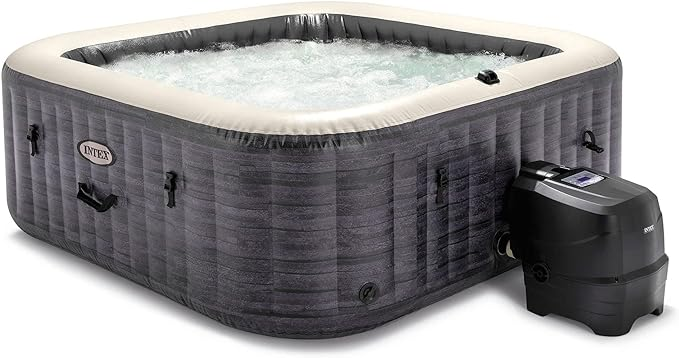
Important safety note: Avoid hot tubs, saunas, and any water above 37°C (98.6°F) during pregnancy. If you have a hydrotherapy tub at home, reduce the temperature setting during pregnancy.
When to Avoid Water Therapy During Pregnancy
While aquatic exercise is one of the safest forms of prenatal exercise, certain conditions require medical clearance or avoidance. Our guide to hydrotherapy contraindications covers general risks, and here are pregnancy-specific situations:
- Placenta praevia: If diagnosed, avoid exercise until cleared by your obstetrician
- Preterm labour risk: Women with cervical incompetence or history of preterm delivery should get specific clearance
- Ruptured membranes: Do not enter a pool once your waters have broken — infection risk is significant
- Preeclampsia: Moderate water immersion may actually help mild preeclampsia (research shows reduced blood pressure), but get medical guidance
- Vaginal bleeding: Stop aquatic exercise and consult your healthcare provider if any bleeding occurs
- Severe nausea/vomiting: If hyperemesis gravidarum is present, pool chemicals may worsen nausea
Choosing a Prenatal Aquatic Exercise Class
Look for these features when selecting a class:
- Instructor with specific prenatal aquatic exercise certification
- Pool temperature between 29-32°C (ideal for moderate exercise)
- Easy pool entry and exit (ramps or gradual entry)
- Small class sizes (6-10 women) for adequate supervision
- Access to bathroom facilities nearby (essential in later pregnancy)
- Modifications offered for each trimester and fitness level
If a dedicated prenatal class is not available, standard aquatic exercise classes can be modified for pregnancy. Simply inform the instructor, avoid exercises involving lying on your back (after week 16), skip any jumping or high-impact movements, and monitor your exertion level — you should be able to hold a conversation throughout the session.
For those interested in at-home equipment options, our guides to affordable hydrotherapy equipment and choosing the right equipment cover everything from inflatable pools to therapy tubs.
Frequently Asked Questions
Is it safe to swim during pregnancy?
Yes, swimming and aquatic exercise are among the safest and most recommended forms of exercise during pregnancy. Major medical organisations including the American College of Obstetricians and Gynecologists (ACOG) and the Royal College of Obstetricians and Gynaecologists (RCOG) specifically endorse swimming and aquatic exercise for healthy pregnancies. The key is to keep water temperature below 35°C, avoid diving, stay hydrated, and stop if you feel dizzy or unwell. Most women can safely swim throughout all three trimesters.
Can hydrotherapy help with back pain during pregnancy?
Absolutely. Research shows that aquatic exercise is one of the most effective interventions for pregnancy-related back pain. The buoyancy of water reduces the gravitational load on the spine by up to 90%, providing immediate relief. The Rodriguez-Blanque et al. (2023) study found a 42% reduction in back pain with regular aquatic exercise. Even simple water walking in chest-deep water provides significant relief because the water supports the weight of the baby, temporarily freeing the spine from the extra load.
How often should I do aquatic exercise during pregnancy?
Current guidelines recommend 150 minutes of moderate exercise per week during pregnancy. This can be split into 2-3 aquatic exercise sessions of 30-50 minutes each. Many prenatal aquatic classes meet 2-3 times per week. If you were active before pregnancy, you can generally maintain your pre-pregnancy frequency. If you are starting exercise for the first time during pregnancy, begin with 2 sessions per week of 20-30 minutes and gradually increase. Listen to your body — some weeks you may need less, especially during the first trimester (nausea) and late third trimester (fatigue).
Are chlorinated pools safe during pregnancy?
Yes, properly maintained chlorinated pools are safe during pregnancy. The chlorine levels used in standard swimming pools (1-3 ppm) pose no known risk to pregnant women or developing babies. If you are concerned about chemical exposure, look for pools that use saltwater chlorination or UV treatment systems, which tend to have lower residual chlorine levels. Avoid pools that have a very strong chemical smell, as this often indicates poor ventilation or improper chemical balance rather than higher safety.
Can I use a hot tub during pregnancy?
Traditional hot tubs at 37-40°C should be avoided during pregnancy, especially in the first trimester when elevated core temperature poses the greatest risk to foetal development. If you want the benefits of jetted water, use a warm (not hot) bath at 33-34°C with the jets on, or look for therapy pools with temperature controls. Some women use hot tubs briefly (under 10 minutes) at reduced temperatures (below 35°C) in the second and third trimesters, but this should be discussed with your midwife or obstetrician first.
]]>