Hydrotherapy for Tendonitis: Healing Inflamed Tendons with Water Therapy
Tendonitis — the inflammation or irritation of a tendon — affects millions of people annually, from athletes dealing with Achilles tendonitis to office workers struggling with tennis elbow. The challenge with tendonitis treatment is balancing rest with the progressive loading that tendons need to heal. Hydrotherapy bridges this gap perfectly, allowing controlled, pain-free movement that promotes tendon recovery while maintaining overall fitness.
Why Water Therapy Is Ideal for Tendonitis
Tendons heal through a process that requires gentle, progressive mechanical loading — complete rest actually slows recovery. Water provides the ideal environment for this because:
- Buoyancy reduces load — Water unloads tendons by 50-90% depending on depth, allowing pain-free movement through the full range of motion
- Progressive resistance — As tendons heal, you can increase loading by moving to shallower water, increasing speed of movement, or adding aquatic resistance equipment
- Thermal therapy — Warm water increases blood flow to tendons (which have naturally poor blood supply), while cold water reduces acute inflammation
- 360-degree resistance — Unlike gravity-based exercises, water provides resistance in all directions, strengthening supporting muscles evenly
- Reduced pain — The gate control theory of pain means that hydrostatic pressure and thermal sensations naturally reduce pain perception during exercise
Hydrotherapy Protocols by Tendonitis Location
Achilles Tendonitis
Water walking in chest-deep water unloads the Achilles tendon while maintaining the eccentric loading that promotes healing. Progress from flat-footed walking to toe raises as pain allows. Contrast therapy (3 minutes warm, 1 minute cold, repeated 3-4 times) is particularly effective for chronic Achilles issues.
Tennis Elbow (Lateral Epicondylitis)
Submerge the forearm in warm water (35-37°C) and perform gentle wrist extensions, flexions, and rotations against water resistance. Use a small foam dumbbell for additional resistance as healing progresses. Finish each session with 5 minutes of cold water immersion for the forearm to reduce inflammation.
Rotator Cuff Tendonitis
Standing in shoulder-deep water, perform pendulum exercises, horizontal arm sweeps, and gradual shoulder raises. The buoyancy supports the arm’s weight, reducing rotator cuff strain while allowing pain-free movement. Progress to using aquatic resistance paddles as the tendon heals.
Patellar Tendonitis (Jumper’s Knee)
Water squats, step-ups on a submerged platform, and pool walking with high knee lifts provide progressive patellar tendon loading in a low-impact environment. Start in chest-deep water and progress to waist-deep as symptoms improve.
Wrist Tendonitis
Fill a basin with warm water and perform wrist circles, finger spreads, and gentle grip-and-release exercises. The warmth increases circulation to the wrist tendons while water provides light resistance. This can be done at home as part of a daily management routine.
Contrast Therapy for Tendonitis
Contrast therapy — alternating warm and cold water — is one of the most effective hydrotherapy techniques for tendonitis. The alternating temperatures create a “pumping” effect in the blood vessels around the tendon, increasing nutrient delivery and waste removal.
- Acute tendonitis (first 72 hours): Cold only — 10-15 minutes of ice water immersion to reduce inflammation
- Sub-acute (3-14 days): Contrast — 3 minutes warm (37°C), 1 minute cold (10-15°C), repeat 4 times, always ending on cold
- Chronic tendonitis (2+ weeks): Contrast — 4 minutes warm, 1 minute cold, repeat 3-4 times, ending on warm for increased blood flow
Progressive Loading Program in Water
Follow this general progression for tendonitis rehabilitation in the pool:
- Week 1-2: Pain-free range of motion in deep water (minimal loading). Focus on movement quality.
- Week 3-4: Move to chest-deep water. Add slow, controlled movements against water resistance.
- Week 5-6: Progress to waist-deep water. Increase movement speed gradually. Introduce foam resistance tools.
- Week 7-8: Add sport-specific or functional movements in shallow water. Begin transitioning some exercises to land.
- Week 9+: Combined water and land program. Use pool sessions for high-volume, low-load work; land sessions for progressive strength building.
Home-Based Water Therapy for Tendonitis
Not everyone has access to a therapy pool, but many tendonitis treatments can be performed at home:
- Contrast baths — Two basins (one warm, one cold) for hands, wrists, elbows, or feet
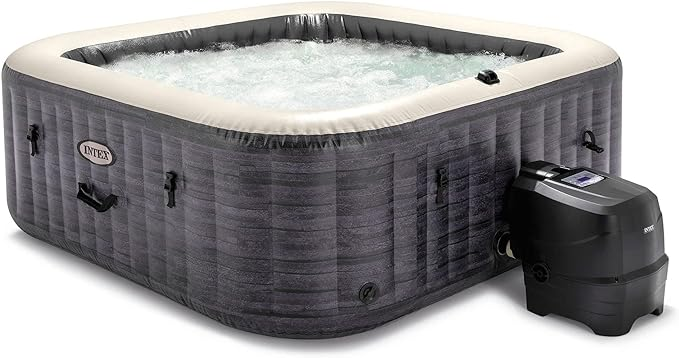
- Hot tub sessions — A home hot tub or swim spa allows warm water exercises for most tendon locations
- Warm bath soaks — Full-body immersion for shoulder, hip, and knee tendonitis
- Ice cup massage — Freeze water in a paper cup and use it for targeted tendon icing after exercise
Frequently Asked Questions
Should I use hot or cold water for tendonitis?
It depends on the stage. For acute flare-ups with visible swelling (first 48-72 hours), use cold water to reduce inflammation. For chronic tendonitis without acute inflammation, warm water before exercise increases blood flow and flexibility, while cold water after exercise manages any residual inflammation. Contrast therapy works best for most sub-acute and chronic cases.
How long does it take for hydrotherapy to help tendonitis?
Most people notice pain reduction within the first 1-2 weeks of regular contrast therapy and aquatic exercise. Significant structural healing of the tendon typically takes 6-12 weeks with consistent progressive loading. Chronic tendonitis that has lasted months may require 3-6 months of rehabilitation, but hydrotherapy often provides faster progress than land-based therapy alone.
Can I swim with tendonitis?
It depends on the tendon involved. Swimming may aggravate shoulder tendonitis (especially freestyle and butterfly strokes) and Achilles tendonitis (from pushing off). However, kicking with a kickboard is usually safe for upper body tendonitis, and pull buoy swimming is often safe for lower body tendonitis. Water walking and aquatic exercises are generally safer than swimming strokes during the healing phase.
Related Reading
- How Hydrotherapy Machines Work: The Physics Behind the Relief
- How Hydrotherapy Helps You Recover Faster from Injuries
- Contrast Water Therapy: The Science Behind Hot-Cold Alternation
- Choosing the Right Hydrotherapy Equipment
Consult a physiotherapist or sports medicine doctor before starting a hydrotherapy program for tendonitis. See our Medical Disclaimer.