Hydrotherapy for Fibromyalgia: Warm Water Therapy for Widespread Pain and Fatigue
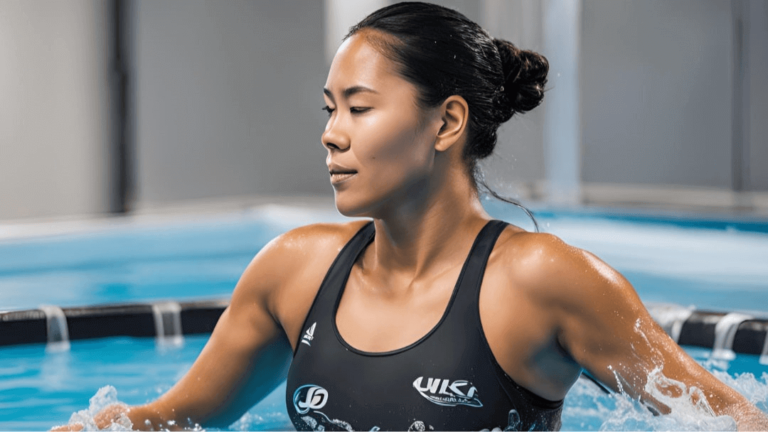
Fibromyalgia affects an estimated 2-4% of the global population — roughly 200 million people — causing widespread musculoskeletal pain, chronic fatigue, sleep disturbances, and cognitive difficulties often called “fibro fog.” Exercise is one of the most effective treatments, yet the cruel irony of fibromyalgia is that the pain and fatigue make exercise feel impossible. This is exactly where hydrotherapy changes the equation. Warm water provides a uniquely gentle environment where people with fibromyalgia can exercise with less pain, better tolerance, and measurably better outcomes than land-based alternatives.
Why Warm Water Works for Fibromyalgia
Fibromyalgia involves central sensitisation — the nervous system amplifies pain signals, making normal sensations feel painful. Warm water addresses this through multiple mechanisms simultaneously:
- Thermal pain relief — Warm water (33-36°C) stimulates thermoreceptors in the skin, which compete with pain signals at the spinal cord level. This is not simply “distraction” — it is a neurological mechanism called the gate control theory of pain, and it produces measurable reductions in pain perception.
- Muscle relaxation — Fibromyalgia patients often have chronically tense muscles due to pain guarding. Warm water reduces muscle tone within minutes, allowing movement that would otherwise trigger pain flares.
- Hydrostatic pressure — Water pressure acts like gentle compression across the whole body, reducing swelling, improving circulation, and providing constant proprioceptive input that helps calm an overactive nervous system.
- Buoyancy support — Reduces body weight by up to 80% in chest-deep water, making movement feel effortless. This is critical for fibromyalgia patients who experience exercise intolerance — they can do more in water before hitting their pain threshold.
- Parasympathetic activation — Warm water immersion shifts the autonomic nervous system toward “rest and digest” mode, reducing the sympathetic hyperactivity that is characteristic of fibromyalgia. This reduces heart rate, lowers cortisol, and improves sleep quality.
What the Research Shows
Hydrotherapy for fibromyalgia has been studied extensively, and the evidence is strong.
A Cochrane review of aquatic exercise for fibromyalgia analysed multiple randomised controlled trials and concluded that aquatic exercise produces moderate improvements in pain, physical function, and overall wellbeing. The review noted that aquatic exercise was well-tolerated — critically important for a condition where exercise intolerance is a primary barrier to treatment.
A study published in Arthritis Research & Therapy by Munguía-Izquierdo and Legaz-Arrese compared warm water exercise to land-based exercise in fibromyalgia patients over 16 weeks. The aquatic group showed significantly greater improvements in pain, fatigue, and cognitive function (fibro fog) compared to the land group. Notably, the aquatic group also had far fewer dropouts — suggesting that people with fibromyalgia find water exercise more sustainable long-term.
The 2014 review in the North American Journal of Medical Sciences confirmed that hydrotherapy produces measurable effects on the immune system, nervous system regulation, and musculoskeletal function — all systems that are disrupted in fibromyalgia [1].
A 2023 meta-analysis of 32 RCTs involving over 2,200 participants with chronic musculoskeletal disorders found that aquatic exercise significantly reduces pain and improves physical function, with particularly strong results for conditions involving widespread pain [2].
Hydrotherapy Program for Fibromyalgia
The key principle for fibromyalgia exercise is start low, go slow. The exercise tolerance threshold is lower than for most conditions, and overdoing it causes symptom flares that can set recovery back by days. Begin with shorter sessions and gradually increase duration and intensity.
Week 1-2: Gentle Introduction (15-20 minutes)
- Warm water walking — Walk slowly in chest-deep warm water (34-36°C) for 5-8 minutes. Focus on relaxed shoulders and steady breathing.
- Standing gentle stretches — Neck rotations, shoulder rolls, arm circles, hip circles. Use the pool wall for balance. 5 minutes.
- Floating relaxation — Float on your back with pool noodle support. Focus on deep breathing and letting your muscles fully release. 5-8 minutes. This alone has therapeutic value for fibromyalgia.
Week 3-4: Building Tolerance (20-30 minutes)
- Water walking with direction changes — Forward, backward, sideways. Increase pace slightly. 8-10 minutes.
- Gentle aqua aerobics — Knee lifts, heel kicks, arm sweeps through water. Low intensity. 10 minutes.
- Stretching and relaxation — Hamstring stretches, calf stretches, spinal rotation in water. Float to finish. 10 minutes.
Week 5-8: Progressive Building (30-40 minutes)
- Warm-up walk — 5 minutes
- Aerobic segment — Water jogging, leg kicks, arm resistance exercises with foam dumbbells. Moderate intensity for 15-20 minutes. Monitor fatigue closely.
- Core work — Standing balance exercises, gentle trunk rotations against water resistance. 5-10 minutes.
- Cool-down and float — Stretches and floating relaxation. 5-10 minutes.
Maintenance (Ongoing, 2-3 times per week)
Most research protocols showing significant benefits use 2-3 sessions per week for 12+ weeks. Many fibromyalgia patients find that ongoing maintenance sessions (even once weekly) prevent symptom regression. The exercise should feel challenging but not punishing — if you are significantly more fatigued or painful the day after a session, reduce the intensity next time.
Managing Flares During Hydrotherapy
Fibromyalgia symptoms fluctuate. On bad days:
- Go anyway but scale down — Even 10 minutes of gentle water walking and floating is better than skipping entirely. Maintaining the routine matters more than the intensity.
- Focus on relaxation — Float, stretch gently, let the warm water do the work. Skip the aerobic and strengthening components.
- Use warmer water — If possible, opt for a warmer pool (35-37°C) on flare days. The extra warmth provides more pain relief.
- No guilt — Fibromyalgia management is a long game. One easy session does not set you back.
Home Water Therapy for Fibromyalgia
- Warm Epsom salt baths — 20 minutes in warm water (37-39°C) with 2 cups of Epsom salts. The magnesium may support muscle relaxation, and the warm immersion activates the parasympathetic nervous system. Do this before bed to improve sleep quality.
- Morning warm showers — A 10-minute warm shower targeting the neck, shoulders, and lower back can reduce morning stiffness, which is common in fibromyalgia.
- Contrast showers — Gentle contrast (warm to lukewarm, not ice cold) can help manage localised pain areas. Avoid extreme cold, which can trigger fibromyalgia flares in some people.
- Hot tub sessions — A home hot tub at 36-38°C provides many of the benefits of pool therapy. Use jets on tense areas. Limit sessions to 15-20 minutes to avoid fatigue.
Hydrotherapy vs Other Fibromyalgia Treatments
Hydrotherapy does not replace medication or other treatments — it works alongside them. However, the research suggests it is one of the most effective non-pharmaceutical interventions available:
- vs Land-based exercise — Similar outcomes for pain and function, but better adherence and fewer flare-ups with aquatic exercise. People stick with it because it hurts less during sessions.
- vs Medication alone — Exercise (including aquatic) produces comparable or better improvements in pain, fatigue, and function compared to medication for many fibromyalgia patients, with none of the side effects.
- vs CBT — Cognitive behavioural therapy and aquatic exercise address different aspects of fibromyalgia. CBT targets pain catastrophising and coping strategies; aquatic exercise targets physical deconditioning and pain sensitivity. Combined approaches show the best outcomes.
For a detailed comparison, see our guide on hydrotherapy vs physical therapy.
Precautions
- Temperature sensitivity — Some fibromyalgia patients are sensitive to temperature extremes. Avoid very hot (>39°C) or very cold water. The therapeutic range is 33-37°C.
- Post-exertional malaise — If you also have chronic fatigue syndrome/ME alongside fibromyalgia, be especially conservative with exercise intensity. Start with floating and gentle walking only.
- Chlorine sensitivity — Some people with fibromyalgia find chlorine irritating. Look for saltwater pools or pools with ozone/UV sanitation systems.
- Orthostatic changes — Getting out of warm water after prolonged immersion can cause lightheadedness. Exit the pool slowly and sit for a few minutes before standing fully.
Frequently Asked Questions
What water temperature is best for fibromyalgia?
Research consistently uses water temperatures between 33-36°C for fibromyalgia hydrotherapy. This range is warm enough to relax muscles and reduce pain but not so hot that it causes fatigue or cardiovascular stress. For home baths, 37-39°C is appropriate for shorter sessions (15-20 minutes). Avoid temperatures above 40°C, which can worsen fatigue and cause overheating.
How soon will I see results from hydrotherapy for fibromyalgia?
Most people notice immediate short-term relief during and after each session — reduced pain, muscle relaxation, improved mood. For lasting improvements in overall symptom levels, research shows 4-8 weeks of regular sessions (2-3 times per week) is typically needed. Maximum benefits are usually seen at 12-16 weeks. Ongoing maintenance sessions help sustain the improvements.
Will exercise in water make my fibromyalgia worse?
If done correctly (starting gently, progressing slowly, staying within your tolerance), aquatic exercise should not worsen fibromyalgia. It is specifically better tolerated than land exercise because of buoyancy and warmth. However, overdoing it — too much, too fast — can trigger a flare. The rule of thumb: if you feel significantly worse 24-48 hours after a session, you did too much. Scale back next time. Some mild next-day stiffness is normal and expected.
Is cold water therapy good for fibromyalgia?
Generally, no. Cold water can trigger fibromyalgia flares in many patients due to the condition’s temperature sensitivity. Warm water therapy is the evidence-based approach for fibromyalgia. Some people tolerate very gentle contrast therapy (warm to cool, not cold), but extreme cold exposure such as ice baths is not recommended for most fibromyalgia patients.
Related Reading
- Hydrotherapy Systems for Pain Relief
- Passive Hydrotherapy for Stress Relief
- Warm Water Therapy for Muscle Pain
- Hydrotherapy for Health Conditions A-Z
Fibromyalgia is a complex condition. Always work with your healthcare team when adding exercise to your management plan. See our Medical Disclaimer.
Sources
[1] Mooventhan, A., & Nivethitha, L. (2014). Scientific Evidence-Based Effects of Hydrotherapy on Various Systems of the Body. North American Journal of Medical Sciences, 6(5), 199-209.
[2] Journal of Orthopaedic Surgery and Research (2023). Efficacy of aquatic exercise in chronic musculoskeletal disorders: A meta-analysis of 32 randomized controlled trials.
[3] Munguía-Izquierdo, D., & Legaz-Arrese, A. (2008). Assessment of the effects of aquatic therapy on global symptomatology in patients with fibromyalgia. Arthritis Research & Therapy, 10(4), R81.