Troubleshooting Common Issues with Hydrotherapy Equipment

Hydrotherapy equipment is a popular way to promote relaxation and rehabilitation, and it offers some serious therapeutic benefits through water-based treatments. But just like any machinery, hydrotherapy equipment can encounter issues that hinder its effectiveness. This article discusses various common problems you might encounter with hydrotherapy equipment, such as leaks, malfunctioning jets, and inadequate water…
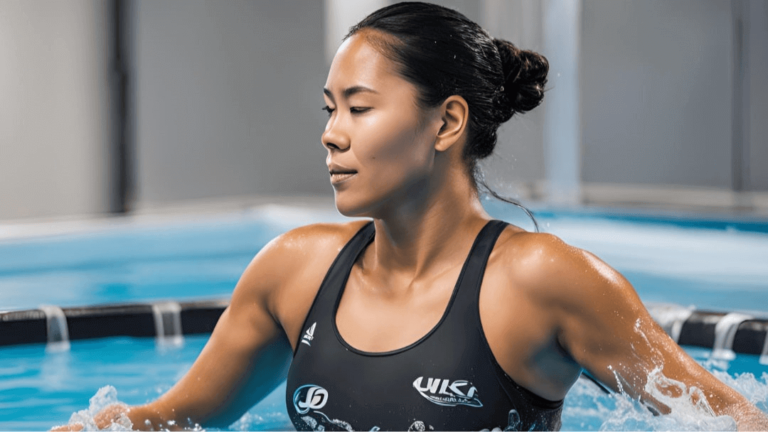
An image of an athlete using a hydrotherapy pool post-workout

Hydrotherapy for Athletes: Recovery Protocols That Actually Work

Key Takeaways Cold water immersion (CWI) at 11-15 degrees Celsius for 11-15 minutes is the evidence-backed sweet spot for reducing muscle soreness after training, outperforming passive recovery, active recovery, and warm water immersion [1]. Contrast water therapy (CWT) — alternating hot and cold immersion — significantly reduces delayed-onset muscle soreness at every follow-up time point…

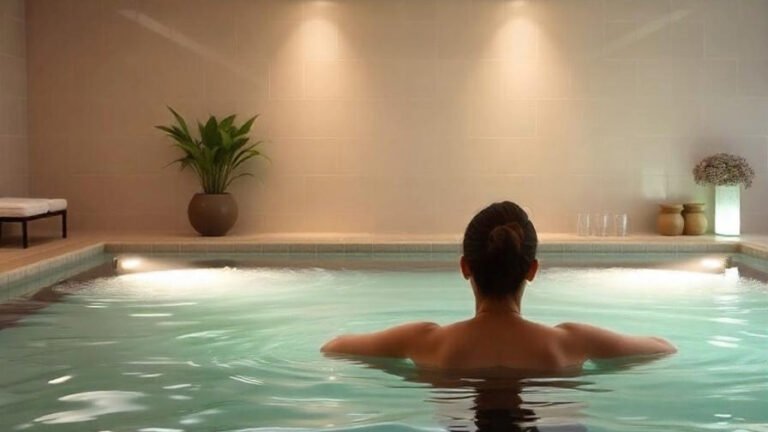
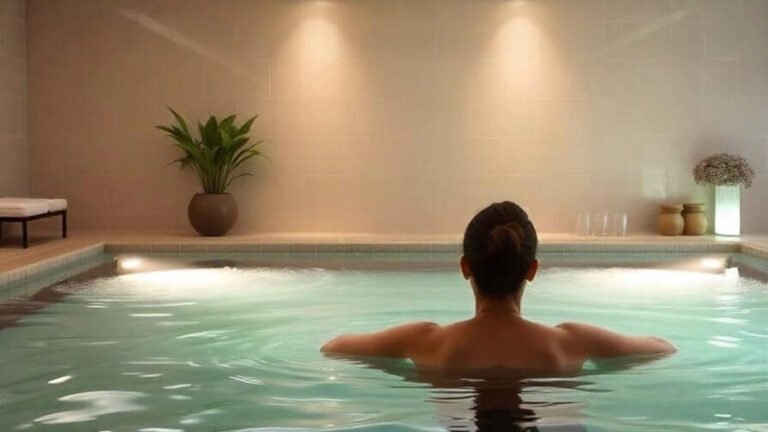
An image of someone in a calming hydrotherapy pool with soft lighting

Mental Health Benefits of Hydrotherapy: Stress Relief and Beyond

Key Takeaways Water therapy works on your nervous system directly — warm water shifts your body into parasympathetic (“rest and digest”) mode, lowering cortisol and calming the fight-or-flight response. A 2024 meta-analysis in Current Psychology found that hydrotherapy produces significant improvements in both anxiety and depression symptoms across multiple studies [1]. Aquatic exercise reduced depression…

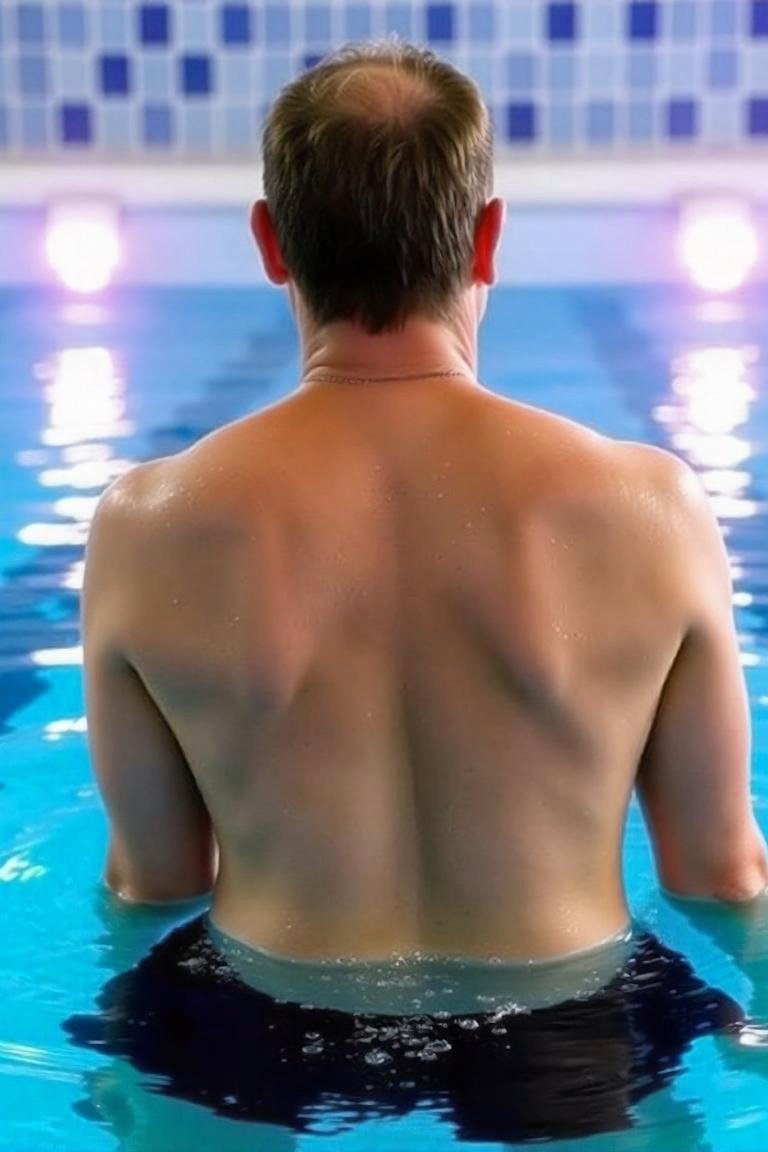
An image of a person with chronic back pain in a therapy pool

Hydrotherapy for Chronic Pain and Inflammation: What the Research Actually Shows

A 2022 JAMA Network Open trial found aquatic exercise reduced chronic low back pain more effectively than standard physiotherapy — with benefits lasting 12 months. Here is what the research actually shows about hydrotherapy for chronic pain and inflammation, including what it can and cannot do.

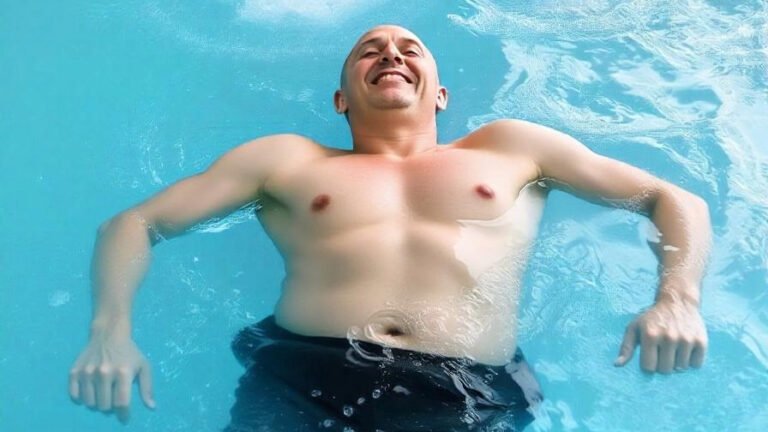
An image of a person in a hydrotherapy pool with water jets, showing muscle recovery or relaxation

The Science Behind Hydrotherapy: How Water Actually Heals Your Body

Key Takeaways Hydrotherapy works through five distinct physical mechanisms: hydrostatic pressure, buoyancy, thermal effects, water resistance, and neurological activation. None of these are mysterious — they are physics and physiology. Standing in chest-deep water offloads roughly 80% of your body weight from your joints, which is why aquatic exercise works so well for people with…