Hydrotherapy Exercises: 12 Water-Based Movements for Pain Relief, Mobility, and Recovery
Key Takeaways
- Hydrotherapy exercises use water’s buoyancy, resistance, and warmth to strengthen muscles, improve mobility, and reduce pain — with up to 90% less joint stress than land-based exercise.
- Water temperature matters: warm water (33-36°C / 91-97°F) relaxes muscles and increases blood flow, while cooler water (26-30°C / 79-86°F) is better for cardiovascular conditioning.
- Research shows aquatic exercise programs reduce pain scores by 20-40% in patients with osteoarthritis, fibromyalgia, and chronic low back pain.
- You don’t need a pool — many hydrotherapy exercises can be adapted for a deep bathtub or even a waist-deep wading area.
- Always consult a healthcare provider before starting hydrotherapy exercises, especially if you have open wounds, infections, uncontrolled blood pressure, or cardiac conditions.
What Are Hydrotherapy Exercises?
Hydrotherapy exercises are therapeutic movements performed in water to improve strength, flexibility, balance, and cardiovascular fitness. Unlike swimming laps, these exercises are designed to target specific joints and muscle groups while taking advantage of water’s unique physical properties.
Water provides three things that make exercise fundamentally different from land-based movement:
- Buoyancy — reduces your effective body weight by up to 90% when submerged to neck level, allowing pain-free movement in joints that hurt on land
- Hydrostatic pressure — the uniform pressure water exerts on your body helps reduce swelling and improves circulation
- Viscosity and resistance — water is approximately 800 times denser than air, providing natural resistance in every direction without the need for weights
These properties make hydrotherapy exercises particularly effective for people recovering from surgery, living with joint pain, managing chronic pain conditions, or looking for low-impact alternatives to traditional exercise.
Before You Start: Water Temperature and Depth Guidelines
Temperature Recommendations
| Goal | Temperature | Why |
|---|---|---|
| Pain relief and relaxation | 33-36°C (91-97°F) | Warm water relaxes muscles, increases blood flow, and reduces pain perception |
| General exercise | 30-33°C (86-91°F) | Comfortable for sustained movement without overheating |
| Cardiovascular conditioning | 26-30°C (79-86°F) | Cooler water prevents excessive core temperature rise during intense exercise |
| Post-exercise recovery | 10-15°C (50-59°F) | Cold water reduces inflammation and muscle soreness |
Water Depth Guidelines
- Waist-deep: Best for lower body strengthening exercises — you bear about 50% of your body weight
- Chest-deep: Ideal for full-body exercises — you bear about 25-35% of your body weight
- Neck-deep: Maximum buoyancy support — you bear only about 10% of your body weight, best for severe pain or early rehabilitation
Warm-Up Exercises (5-10 Minutes)
1. Water Walking
Walk forward, backward, and sideways across the pool at waist-to-chest depth. Keep your posture upright, engage your core, and swing your arms naturally. Start slowly and gradually increase your pace over 3-5 minutes.
Targets: Full body warm-up, cardiovascular system
Duration: 3-5 minutes
Tip: Walking backward in water is particularly effective for activating the hamstrings and gluteal muscles.
2. Arm Circles and Sweeps
Stand in chest-deep water with arms extended to the sides. Make small circles that gradually increase in size for 30 seconds, then reverse direction. Follow with forward and backward sweeps, pushing your arms through the water with palms open.
Targets: Shoulder mobility, rotator cuff warm-up
Duration: 2-3 minutes
Tip: The water resistance makes this more challenging than it looks — start with smaller movements if you feel shoulder pain.
Joint Mobility Exercises (10-15 Minutes)
3. Knee Lifts (Aquatic Marching)
Stand in waist-to-chest-deep water and march in place, lifting each knee to hip height. Hold a pool noodle or the pool edge for balance if needed. Perform 15-20 repetitions per leg.
Targets: Hip flexors, core stability, balance
Sets: 2-3 sets of 15-20 reps per leg
Progression: Add ankle weights or increase speed for more resistance.
4. Leg Swings
Hold the pool edge and swing one leg forward and backward in a controlled arc. Keep your torso upright and avoid arching your lower back. Repeat with side-to-side swings (abduction/adduction).
Targets: Hip joint mobility, hip flexors, adductors
Sets: 2 sets of 12-15 swings per direction per leg
Tip: This exercise is excellent for people with arthritis in the hip or knee.
5. Ankle Circles and Toe Raises
Stand on one leg (hold the edge for balance) and rotate your ankle clockwise for 10 circles, then counterclockwise. Next, stand on both feet and rise onto your toes, hold for 2 seconds, then lower. Repeat 15-20 times.
Targets: Ankle mobility, calf strength, balance
Sets: 2-3 sets
Tip: Ankle circles in warm water can significantly improve range of motion for people recovering from sprains or surgery.
Strengthening Exercises (15-20 Minutes)
6. Water Squats
Stand in chest-deep water with feet shoulder-width apart. Slowly lower into a squat position, keeping your knees behind your toes and your back straight. Push through your heels to stand. The water provides resistance on the way down and buoyancy support at the bottom.
Targets: Quadriceps, gluteal muscles, core
Sets: 3 sets of 10-15 reps
Progression: Hold a water dumbbell at chest height to increase resistance.
7. Water Lunges
Step forward into a lunge position in waist-to-chest-deep water. Lower your back knee toward the pool floor, then push back to standing. Alternate legs. The water cushions the movement and reduces joint impact.
Targets: Quadriceps, hamstrings, gluteal muscles, balance
Sets: 2-3 sets of 10-12 reps per leg
Tip: Walking lunges across the pool add a cardiovascular element.
8. Bicep Curls with Water Dumbbells
Stand in chest-deep water holding foam water dumbbells. Curl them toward your shoulders, then push them back down. The resistance works in both directions — up against buoyancy and down against the water’s resistance.
Targets: Biceps, forearms
Sets: 3 sets of 12-15 reps
Tip: Move slowly and deliberately — rushing reduces the resistance benefit.
9. Flutter Kicks (Pool Edge)
Hold the pool edge with your arms extended and let your body float horizontally. Kick your legs in a controlled flutter motion, keeping your core engaged and legs relatively straight. This combines core work with lower body strengthening.
Targets: Core, hip flexors, quadriceps, cardiovascular endurance
Duration: 3 sets of 30-60 seconds
Tip: Focus on small, fast kicks rather than large splashing motions.
Cool-Down and Stretching (5-10 Minutes)
10. Hamstring Stretch
Stand in waist-deep water and place one heel on a pool step or ledge. Keep your leg straight and gently lean forward from the hips until you feel a stretch in the back of your thigh. Hold for 20-30 seconds per leg.
Targets: Hamstrings, lower back
Hold: 20-30 seconds per leg, 2 repetitions
11. Chest and Shoulder Stretch
Stand in chest-deep water with arms extended behind you. Clasp your hands together and gently lift your arms while squeezing your shoulder blades together. The water supports your arms and allows a deeper stretch.
Targets: Chest (pectorals), anterior deltoids
Hold: 20-30 seconds, 2-3 repetitions
12. Spinal Rotation
Stand in chest-deep water with arms extended at shoulder height. Slowly rotate your torso to one side, allowing your arms to sweep through the water. Return to center and rotate to the other side. The water resistance provides a gentle, controlled stretch.
Targets: Thoracic spine mobility, obliques
Reps: 8-10 rotations per side
Tip: This is one of the most effective exercises for people with chronic back pain.
Sample Hydrotherapy Exercise Routine
Here’s a complete 30-40 minute session you can follow:
| Phase | Exercises | Duration |
|---|---|---|
| Warm-Up | Water walking + arm circles | 5-10 min |
| Joint Mobility | Knee lifts, leg swings, ankle circles | 10-15 min |
| Strengthening | Water squats, lunges, bicep curls, flutter kicks | 15-20 min |
| Cool-Down | Hamstring stretch, chest stretch, spinal rotation | 5-10 min |
Aim for 2-3 sessions per week. Most clinical studies showing meaningful improvements in pain and function used this frequency over 6-12 weeks.
Who Benefits Most from Hydrotherapy Exercises?
- Arthritis patients: Water exercise reduces joint loading while building muscle support around affected joints. Read our evidence-based arthritis guide.
- Post-surgical recovery: Buoyancy allows earlier mobilization compared to land-based exercise. See our post-surgical recovery guide.
- Athletes: Water exercise serves as active recovery between intense training sessions. Read our athlete recovery protocols.
- Chronic pain: Warm water exercise reduces pain scores more effectively than land-based exercise in multiple clinical trials. Learn more about hydrotherapy for chronic pain.
- Older adults: Reduced fall risk due to water support, improved balance, and maintained joint function.
- Overweight individuals: Water supports body weight, making exercise accessible without excessive joint stress.
Equipment You’ll Need
You can do most hydrotherapy exercises with no equipment at all. For progression, consider:
- Pool noodle: $3-8 — provides flotation support and light resistance
- Foam water dumbbells: $15-30 — creates resistance through buoyancy
- Aquatic ankle weights: $20-40 — adds resistance to leg exercises
- Kickboard: $10-20 — supports upper body during leg exercises
For a full breakdown of equipment options and pricing, see our affordable hydrotherapy equipment guide.
Frequently Asked Questions
How often should I do hydrotherapy exercises?
Most clinical research uses 2-3 sessions per week, each lasting 30-60 minutes. Consistency matters more than intensity — a 12-week program at 2x/week outperforms sporadic intense sessions.
Can I do hydrotherapy exercises in my bathtub?
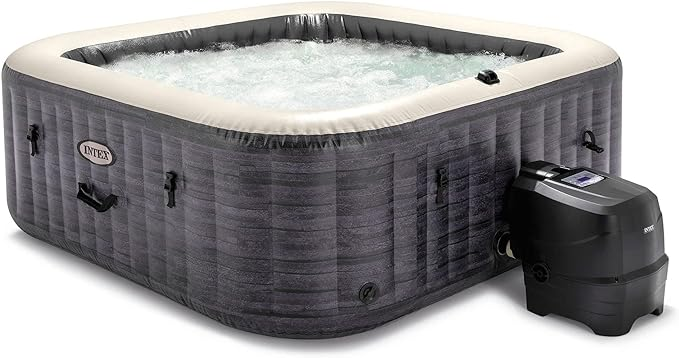
Yes, for upper body and ankle exercises. A deep soaking tub allows arm circles, wrist rotations, ankle exercises, and gentle stretching. For full-body exercises, you’ll need at least waist-deep water. See our guide to hydrotherapy tubs.
What water temperature is best for hydrotherapy exercises?
For therapeutic exercise, 30-36°C (86-97°F) is the standard range. Warmer water (33-36°C) works best for pain relief and gentle stretching. Cooler water (26-30°C) is better for cardiovascular exercise where you’ll generate body heat.
Are hydrotherapy exercises safe for people with heart conditions?
Warm water immersion increases heart rate and blood flow. People with uncontrolled hypertension, heart failure, or recent cardiac events should consult their cardiologist before starting. Cooler water and shallower immersion reduce cardiovascular stress.
How are hydrotherapy exercises different from aqua aerobics?
Hydrotherapy exercises are typically prescribed or designed for therapeutic purposes — targeting specific joints, conditions, or rehabilitation goals. Aqua aerobics is a group fitness class focused on general fitness. The exercises overlap significantly, but hydrotherapy is more targeted and often performed in warmer water.
Can hydrotherapy exercises replace physical therapy?
They can complement it. Many physical therapists incorporate aquatic exercises into treatment plans. For a detailed comparison, see our guide on hydrotherapy vs. physical therapy.
]]>