Hydrotherapy for Back Pain: Evidence-Based Water Therapy Techniques That Actually Work
Why Water Works for Back Pain
Back pain is the leading cause of disability worldwide, and conventional treatments — rest, painkillers, even surgery — often fall short. Hydrotherapy offers a different approach: using water’s unique physical properties to reduce spinal compression, relax tight muscles, and restore mobility without the jarring impact of land-based exercise.
Three mechanisms make water therapy particularly effective for back pain:
- Buoyancy — Immersed to chest level, your spine bears only about 20% of your body weight. This decompresses vertebral discs and takes pressure off pinched nerves.
- Hydrostatic pressure — Water exerts uniform pressure on submerged tissues, reducing swelling around inflamed spinal structures and improving circulation to damaged muscles.
- Thermal effects — Warm water (33–36°C / 91–97°F) relaxes paraspinal muscles, increases blood flow, and reduces pain signal transmission. Learn more about the underlying mechanisms in our guide to the science behind hydrotherapy.
What the Research Says
A 2023 systematic review in the Journal of Clinical Medicine found that aquatic exercise significantly reduced pain intensity and improved functional disability in chronic low back pain patients compared to land-based exercise or no treatment. The benefits were most pronounced after 6–8 weeks of consistent sessions (2–3 times per week).
Key findings from clinical studies:
| Condition | Improvement | Timeline |
|---|---|---|
| Chronic low back pain | 40–60% pain reduction | 6–8 weeks |
| Herniated disc (non-surgical) | Improved mobility + pain relief | 4–6 weeks |
| Post-surgical lumbar fusion | Faster return to function | 8–12 weeks (post-clearance) |
| Sciatica | Reduced nerve compression symptoms | 4–8 weeks |
| Spinal stenosis | Improved walking tolerance | 6–10 weeks |
Types of Hydrotherapy for Back Pain
1. Aquatic Exercise Therapy
Structured exercise programs performed in a warm pool under guidance. This is the most studied form of hydrotherapy for back pain. Exercises typically include walking, stretching, and strengthening movements that target the core and posterior chain. If you’re new to water-based movement, our hydrotherapy exercises guide covers 12 foundational movements.
2. Warm Water Immersion (Balneotherapy)
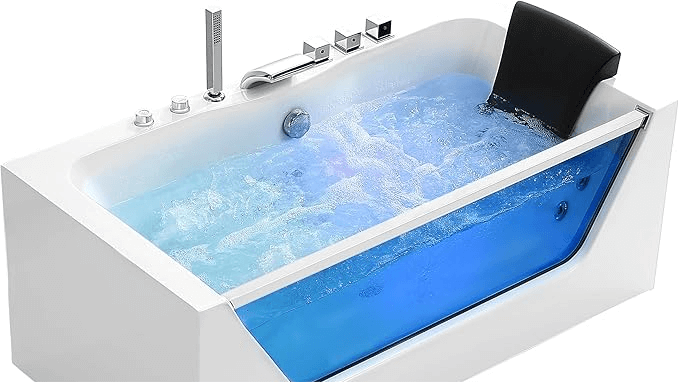
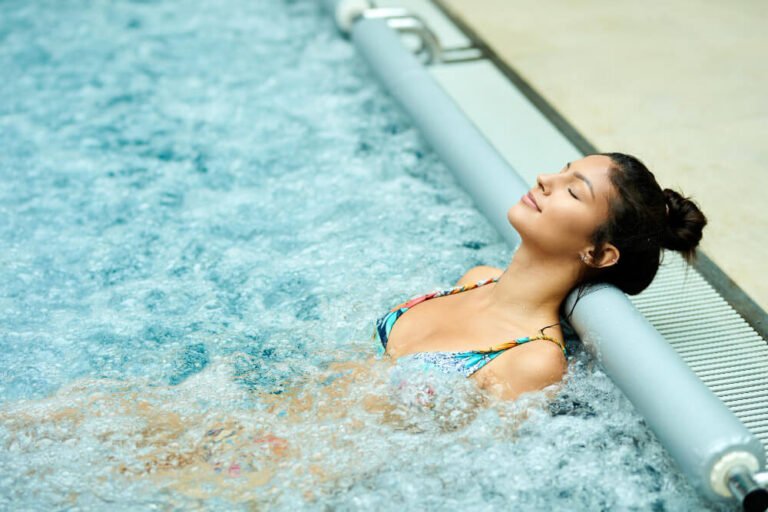
Simply soaking in warm water (36–40°C / 97–104°F) for 15–20 minutes reduces muscle spasm and triggers endorphin release. Mineral-rich water may provide additional anti-inflammatory benefits. A quality hydrotherapy tub can make this accessible at home.
3. Contrast Therapy
Alternating between warm and cold water stimulates a vascular “pumping” effect that flushes inflammatory byproducts from injured tissue. Our detailed guide on contrast water therapy explains optimal ratios and protocols.
4. Hydromassage
Targeted water jets directed at the paraspinal muscles and lumbar region can break up adhesions, improve local circulation, and reduce trigger point sensitivity. Many hydrotherapy equipment options include adjustable jet systems for targeted back relief.
6 Water Exercises for Back Pain Relief
Exercise 1: Pool Walking (Warm-Up)
Target: General spinal decompression and blood flow
How: Walk forward and backward in chest-deep water for 5 minutes. Focus on upright posture — imagine a string pulling the crown of your head toward the ceiling. Let your arms swing naturally.
Why it works: Buoyancy offloads 60–80% of spinal compression while walking restores normal gait patterns often disrupted by back pain.
Exercise 2: Pelvic Tilts
Target: Lumbar stabilisation, core activation
How: Stand with your back against the pool wall in chest-deep water. Flatten your lower back against the wall by tilting your pelvis forward (engaging your lower abs). Hold for 5 seconds, release. Repeat 10–15 times.
Why it works: Activates the transverse abdominis — the deep core muscle that acts as a natural corset for the lumbar spine.
Exercise 3: Knee-to-Chest Stretch
Target: Lower back, hip flexors, glutes
How: Hold the pool edge for balance. Pull one knee toward your chest and hold for 15–20 seconds. Switch sides. Repeat 3 times per leg.
Why it works: Stretches the erector spinae and gluteal muscles while buoyancy supports the standing leg, preventing compensatory strain.
Exercise 4: Trunk Rotation
Target: Thoracic spine mobility, obliques
How: Stand in shoulder-deep water with arms extended to the sides just below the surface. Slowly rotate your entire trunk to the right, then to the left. Keep hips facing forward. Repeat 10 times per side.
Why it works: Water resistance provides gentle, even resistance throughout rotation — strengthening rotational muscles without sudden loading.
Exercise 5: Supine Float with Gentle Extension
Target: Spinal decompression, relaxation
How: Float on your back (use a pool noodle under your knees if needed). Allow your spine to lengthen naturally. Hold for 2–3 minutes while breathing deeply.
Why it works: Complete spinal unloading allows intervertebral discs to rehydrate and decompress — particularly beneficial for herniated discs and stenosis.
Exercise 6: Aqua Squats
Target: Posterior chain, core stability
How: Stand in chest-deep water, feet shoulder-width apart. Slowly lower into a squat (as deep as comfortable without back pain), then rise. Keep chest up and weight in your heels. Repeat 10–15 times.
Why it works: Builds glute and quad strength that supports the lumbar spine, while buoyancy reduces compressive load by 60–80%.
Temperature Protocols by Back Pain Type
| Back Pain Type | Recommended Temp | Duration | Frequency |
|---|---|---|---|
| Acute (first 48–72 hrs) | 10–15°C / 50–59°F (cold) | 10–15 min | 2–3× daily |
| Subacute (3–12 weeks) | 33–36°C / 91–97°F | 20–30 min | 3–5× weekly |
| Chronic (>12 weeks) | 34–38°C / 93–100°F | 20–45 min | 3–5× weekly |
| Muscle spasm | 36–40°C / 97–104°F | 15–20 min | As needed |
| Post-exercise recovery | Contrast (38°C → 15°C) | 3 min warm / 1 min cold × 3 | After sessions |
Home Hydrotherapy Setup for Back Pain
You don’t need a full pool to benefit. Here are practical options ranked by investment level:
Budget-Friendly Options
- Warm bath soaks — A standard bathtub with Epsom salts (2 cups per bath) at 37–40°C provides basic warm water immersion for the lumbar region.
- Shower hydrotherapy — Direct a warm shower stream at your lower back for 5–10 minutes. Alternate 30 seconds of cool water for a mild contrast effect.
Mid-Range Options
- Hydrotherapy tub with jets — Adjustable jets target the paraspinal muscles. Check our affordable hydrotherapy equipment guide for options under $500.
- Portable hot tub — Inflatable or portable models with back-directed jets offer a step up from a standard bath at lower cost than permanent installation.
Premium Options
- Swim spa or therapy pool — Allows full aquatic exercise programs at home. See our top 5 hydrotherapy pools roundup for recommendations.
When to Avoid Hydrotherapy for Back Pain
Water therapy is generally safe, but certain situations require medical clearance first:
- Acute spinal fractures or unstable injuries
- Active spinal infections
- Uncontrolled blood pressure (hot water can cause further drops)
- Open wounds or skin infections
- Cauda equina syndrome (seek emergency medical care)
- Recent spinal surgery (wait for surgeon clearance — typically 6–12 weeks)
If you’re recovering from surgery, our guide on hydrotherapy in post-surgical recovery covers timelines and protocols in detail.
Combining Hydrotherapy with Other Treatments
Water therapy works best as part of a multi-modal approach. For a comparison of how hydrotherapy fits alongside other rehabilitation methods, see our hydrotherapy vs. physical therapy breakdown.
- Physical therapy — Land-based PT targets specific strength deficits; water therapy provides pain-free range of motion work.
- Massage therapy — Manual therapy addresses soft tissue restrictions; hydromassage provides ongoing maintenance between appointments.
- Stretching and yoga — Flexibility work on land complements the mobility gains achieved in water.
- Ergonomic changes — Addressing workplace posture prevents re-aggravation between hydrotherapy sessions.
Frequently Asked Questions
Is hydrotherapy good for lower back pain?
Yes. Multiple clinical studies show that aquatic exercise reduces chronic low back pain by 40–60% over 6–8 weeks. Buoyancy offloads spinal compression, warm water relaxes muscle spasms, and hydrostatic pressure reduces inflammation — all targeting the primary drivers of lower back pain.
How often should I do hydrotherapy for back pain?
Research suggests 2–3 sessions per week for at least 6–8 weeks to see significant improvement. Each session should include 20–30 minutes of aquatic exercise at 33–36°C (91–97°F). Consistency matters more than session length.
Can I do hydrotherapy at home for back pain?
Absolutely. Warm bath soaks, shower hydrotherapy, and home hydrotherapy tubs with targeted jets can all provide meaningful relief. While a therapy pool allows full exercise programs, even a standard bathtub with Epsom salts offers basic benefits for muscle relaxation and pain reduction.
What water temperature is best for back pain?
For chronic back pain: 34–38°C (93–100°F). For acute back pain (first 48–72 hours): cold water at 10–15°C (50–59°F) to reduce inflammation. For muscle spasms: warmer water at 36–40°C (97–104°F). Contrast therapy alternating between warm and cold is effective for post-exercise recovery.
Is swimming good for back pain?
Swimming can help, but technique matters. Backstroke and freestyle with proper body rotation are generally safe. Avoid breaststroke (excessive lumbar extension) and butterfly (high spinal load). Water walking and specific aquatic exercises may be more beneficial than swimming laps for many back pain patients.
How long does it take for hydrotherapy to help back pain?
Most people notice some pain relief after the first 1–2 sessions due to the immediate effects of warm water immersion. Measurable functional improvements typically appear after 3–4 weeks of regular sessions. Maximum benefit is usually reached at 8–12 weeks of consistent practice.
]]>