Hydrotherapy for Osteoporosis: Strengthening Bones Safely in Water
Osteoporosis affects over 200 million people worldwide, causing bones to become brittle and fragile. While weight-bearing exercise is essential for maintaining bone density, the fear of fractures often keeps people with osteoporosis from staying active. Hydrotherapy offers a compelling solution — water-based exercises that provide resistance and weight-bearing benefits while dramatically reducing fracture risk.
Research published in the Journal of Bone and Mineral Research confirms that aquatic exercise programs can maintain and even improve bone mineral density in postmenopausal women and older adults with osteoporosis, while also improving balance and reducing fall risk — a critical factor since falls cause 90% of osteoporotic fractures.
Why Hydrotherapy Works for Osteoporosis
Water provides a unique training environment for people with fragile bones:
- Graded resistance — Water creates natural resistance in all directions, strengthening muscles that support and protect bones without heavy weights
- Reduced impact — Buoyancy reduces effective body weight by 50-90%, making weight-bearing movement safer
- Fall safety — If you lose balance in the pool, water cushions the impact, eliminating fracture risk during exercise
- Improved balance — Hydrostatic pressure and water turbulence challenge proprioception, building better balance for daily life
- Pain relief — Warm water (33-36°C) eases the joint and muscle pain that often accompanies osteoporosis
Best Hydrotherapy Exercises for Osteoporosis
Pool Walking and Jogging
Walking in chest-deep water provides weight-bearing stimulus while buoyancy protects your joints and bones. Start with 10 minutes of forward walking, then add backward walking and side-stepping as your confidence grows. Progress to water jogging for greater bone-building stimulus.
Aquatic Resistance Training
Using foam dumbbells, kickboards, and pool noodles for resistance, perform exercises targeting the spine, hips, and wrists — the three most common osteoporotic fracture sites. Include bicep curls, chest presses, leg extensions, and standing hip abduction.
Standing Balance Exercises
Practice single-leg stands, tandem stance, and heel-to-toe walking in waist-to-chest-deep water. The water provides support if you wobble, building confidence alongside balance ability. These exercises directly reduce fall risk.
Spine Strengthening
Back extensions, shoulder blade squeezes, and gentle trunk rotations in the pool strengthen the spinal erectors and core muscles that protect against vertebral compression fractures — the most common type of osteoporotic fracture.
Recommended Water Temperature and Session Guidelines
For osteoporosis-specific hydrotherapy:
- Temperature: 33-35°C (91-95°F) — warm enough to ease stiffness, cool enough for active exercise
- Depth: Waist to chest depth for weight-bearing exercises; deeper for non-weight-bearing cool-downs
- Duration: 30-45 minutes per session
- Frequency: 2-3 times per week for bone density maintenance; daily for balance improvement
- Progression: Increase resistance and reduce water depth gradually over 8-12 weeks
Home Hydrotherapy Options
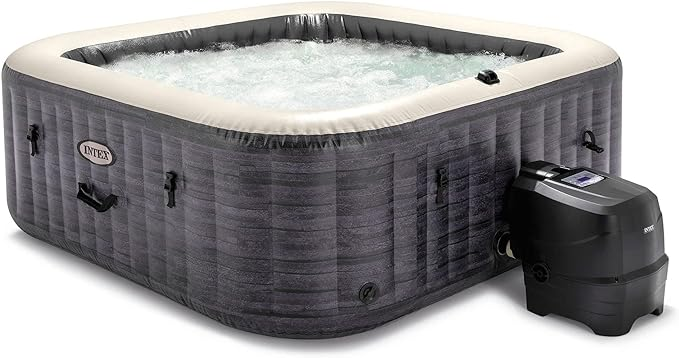
While a full pool program is ideal, you can complement it with home-based water therapy. A hot tub or swim spa allows seated resistance exercises, warm water soaking for pain relief, and gentle range-of-motion work. Even warm bath soaks with gentle limb exercises provide therapeutic benefits between pool sessions.
Safety Considerations
- Always use pool rails and steps for entry/exit — wet pool decks are a fall hazard
- Avoid diving or jumping into the pool
- If you take bisphosphonate medications, stay well-hydrated during sessions
- Report any new or sharp pain to your healthcare provider immediately
- If you have severe kyphosis (spinal curvature), work with a physiotherapist to modify exercises
Frequently Asked Questions
Can pool exercises actually build bone density?
Yes. While deep-water exercises provide less bone-building stimulus than land-based impact activities, shallow-water exercises with resistance have been shown to maintain and modestly improve bone density. The key is combining water depth that allows weight-bearing with progressive resistance using aquatic equipment. More importantly, the balance training prevents the falls that cause fractures.
Is hydrotherapy better than walking for osteoporosis?
Ideally, combine both. Walking provides greater bone-loading stimulus, while hydrotherapy offers superior balance training and fall prevention with virtually zero fracture risk during exercise. Many physiotherapists recommend pool sessions 2-3 times weekly supplemented with daily walking on flat, even surfaces.
What water depth is best for osteoporosis exercises?
Waist-deep water is optimal for bone-building exercises because you retain about 50% of your body weight — enough for bone stimulus while still reducing fracture risk. Chest-deep water (retaining only 25% body weight) is better for balance training and initial conditioning. Progress from deeper to shallower water as strength improves.
Related Reading
- How Hydrotherapy Machines Work: The Physics Behind the Relief
- Warm Water Therapy for Muscle Pain
- Hydrotherapy Pools for Elderly Care
- Choosing the Right Hydrotherapy Equipment
Always consult your doctor before beginning any exercise program for osteoporosis. See our Medical Disclaimer for more information.