
The Importance of Regular Maintenance for Hydrotherapy Pools

Maintaining hydrotherapy pools is crucial for ensuring your safety and enjoyment. Regular upkeep keeps the water clean and balanced and helps you avoid costly repairs and equipment damage down the line. This article dives into the critical maintenance tasks you must tackle, how often you should do them, and all the benefits of consistent care….
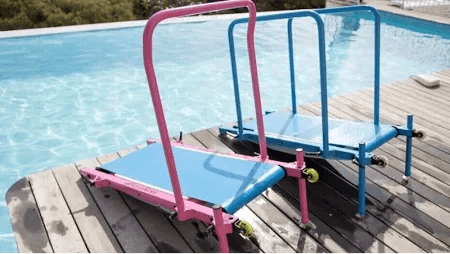
How to Properly Maintain and Clean Your Hydrotherapy Equipment

Hydrotherapy equipment is vital to promoting your health and wellness, but its effectiveness depends on how well you maintain and clean it. This piece explains why keeping your hydrotherapy tools in top condition is essential. It also examines the variety of equipment available and some best practices for maintaining it. You’ll discover essential cleaning supplies,…

Hydrotherapy Equipment in Rehabilitation Clinics: What’s Used, What It Costs, and What the Evidence Supports

Key Takeaways The three main types of clinical hydrotherapy equipment — therapy pools, underwater treadmills, and resistance jet systems — serve different rehabilitation goals and patient populations. A purpose-built clinical hydrotherapy pool typically costs £200,000–£500,000+ to install (including the building works), with annual running costs of £30,000–£80,000 for heating, water treatment, and maintenance. Aquatic exercise…

Hydrotherapy Tubs: What Research Participants Actually Report vs What Marketing Promises

Marketing testimonials for hydrotherapy tubs follow a predictable pattern: a customer was in pain, bought the tub, and now feels wonderful. These stories are not necessarily false — but they are scientifically useless. Without a control group, blinding, or standardised measurement, a testimonial cannot tell you whether the tub caused the improvement, or whether time,…

Hydrotherapy After Surgery: When to Start, What the Evidence Shows, and What to Expect

Key Takeaways Early aquatic physiotherapy (starting 4–14 days post-surgery) does not increase wound complications and improves daily function — a meta-analysis of 8 trials with 287 patients confirmed this (Villalta & Peiris, 2013). After knee replacement, starting aquatic therapy from day 14 improved physical function on the WOMAC scale. After hip replacement, later introduction showed…

Underwater Treadmill

Underwater Treadmills: How They Work, Who They Help, and What the Research Shows

An underwater treadmill lets you walk at a controlled speed while water supports 40–80% of your body weight. Research shows it reduces pain in knee osteoarthritis, improves walking after spinal cord injury, and helps ACL patients recover faster. Here is how it works and who benefits most.