Passive Hydrotherapy for Stress: Floatation Tanks, Warm Baths, and What Works Without Effort

Most exercise-based stress relief requires effort — you have to run, lift, stretch, or swim. The appeal of hydrotherapy for stress is that some forms are genuinely passive: you immerse yourself in water and let physics and physiology do the work. But which passive approaches actually reduce stress, and which are just marketing a warm…

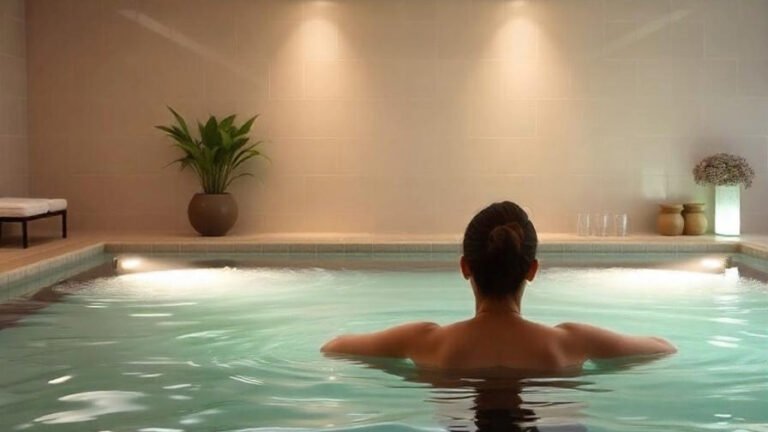
An image of a person in a hydrotherapy pool with water jets, showing muscle recovery or relaxation

The Science Behind Hydrotherapy: How Water Actually Heals Your Body

Key Takeaways Hydrotherapy works through five distinct physical mechanisms: hydrostatic pressure, buoyancy, thermal effects, water resistance, and neurological activation. None of these are mysterious — they are physics and physiology. Standing in chest-deep water offloads roughly 80% of your body weight from your joints, which is why aquatic exercise works so well for people with…