
What Is Hydrotherapy? A Straight-Talk Guide to Water-Based Healing
Key Takeaways
- Hydrotherapy is any therapeutic use of water — hot, cold, or pressurized — to relieve pain, speed recovery, and improve mental health. It is not one single treatment; it is an umbrella term for dozens of practices.
- A 2014 review in the North American Journal of Medical Sciences found that hydrotherapy positively affects the cardiovascular, musculoskeletal, immune, and nervous systems [1].
- A 2023 meta-analysis of 32 randomized controlled trials (2,200+ participants) confirmed that aquatic exercise significantly reduces pain and improves function in people with chronic musculoskeletal conditions [2].
- You do not need a special facility to start. A contrast shower, a cold plunge in your bathtub, or a warm Epsom-salt soak all count.
The Short Answer
Hydrotherapy is healing with water. That is it. Hot baths, cold plunges, steam rooms, whirlpools, underwater jet massage, swimming therapy in a heated pool — all of it falls under the hydrotherapy umbrella. If water is the tool and recovery is the goal, you are doing hydrotherapy. The word itself comes from the Greek hydro (water) and therapeia (healing). People have been using water to treat pain and illness for thousands of years. What has changed is that we now have clinical research backing up what your grandmother already knew: a good soak actually does something measurable to your body. If you want the full breakdown of the proven benefits, head over to our deep dive on hydrotherapy benefits. But first, let’s cover the essentials right here.A Quick History (Because Context Matters)
Hydrotherapy is not a wellness trend that showed up on Instagram last year. It is one of the oldest healing traditions on the planet. The ancient Greeks built public bathhouses and prescribed hot and cold water immersion for soldiers returning from battle. Hippocrates — the father of medicine — recommended bathing for a range of conditions as far back as 400 BC. The Romans engineered elaborate thermal bath complexes. Japanese onsen culture goes back centuries. Finnish saunas followed by ice-lake plunges have been a way of life for over a thousand years. In the 1800s, a Bavarian farmer named Sebastian Kneipp popularized a structured system of water therapy across Europe. His method — alternating hot and cold water applications combined with herbal treatments — became one of the foundations of modern naturopathic medicine. Many European health insurance systems still cover Kneipp-based hydrotherapy today. The point is this: long before we had randomized controlled trials, cultures on every continent figured out that water, applied deliberately, helps people heal.How Hydrotherapy Actually Works (The Science)
Your body reacts to water temperature in predictable, well-documented ways. Understanding this takes the mystery out of the whole thing.Warm Water (Above 37°C / 98°F)
When you step into warm water, your blood vessels dilate. Blood flow increases, especially to your muscles, joints, and skin. Your heart rate goes up slightly. Muscle tension drops. Your nervous system shifts toward its parasympathetic (“rest and digest”) mode. That is why a hot bath feels so good after a long day — your body is literally downshifting from stress mode. Warm water also reduces the force of gravity on your joints. When you stand in chest-deep water, your body bears roughly 20% of its normal weight. This is why aquatic therapy is such a game-changer for people with arthritis, back pain, or mobility limitations. They can move freely without the pounding.Cold Water (Below 15°C / 59°F)
Cold water does the opposite. Blood vessels constrict. Inflammation goes down. Nerve conduction slows, which reduces pain signals. Your body releases norepinephrine — a hormone that sharpens focus and elevates mood. This is the mechanism behind cold water therapy for muscle recovery. Athletes have been sitting in ice baths after training for decades, and the research supports the practice for reducing delayed-onset muscle soreness.Contrast Therapy (Alternating Hot and Cold)
Switching between warm and cold creates a “vascular pump” effect. Blood vessels open, then close, then open again. This pumps fluid through your tissues more aggressively than either temperature alone, which can accelerate waste removal and nutrient delivery.The Hydrostatic Pressure Effect
Here is one that most people do not think about. When you immerse your body in water, the water pushes against you from all sides. This hydrostatic pressure helps reduce swelling in your limbs, supports your cardiovascular system by helping blood return to your heart, and even improves lung function by gently compressing your chest. A 2014 review published in the North American Journal of Medical Sciences examined the evidence across multiple body systems and found that hydrotherapy positively affects cardiovascular function, musculoskeletal recovery, immune response, and nervous system regulation [1]. The researchers noted that both hot and cold applications trigger measurable physiological changes — this is not placebo. For a deeper look at the biological mechanisms, check out our article on the science behind hydrotherapy and how it promotes healing.Types of Hydrotherapy
There are more varieties than most people realize. Here are the main ones you will encounter.Aquatic Exercise Therapy
This is structured exercise performed in a warm pool (usually 33-36°C), guided by a physiotherapist. It is commonly prescribed for arthritis, fibromyalgia, chronic back pain, and post-surgical rehabilitation. A 2023 meta-analysis in the Journal of Orthopaedic Surgery and Research reviewed 32 randomized controlled trials involving over 2,200 participants with chronic musculoskeletal disorders. The conclusion: aquatic exercise produced significant improvements in pain, physical function, and quality of life compared to no treatment — and was comparable to land-based exercise, with fewer flare-ups and better adherence [2]. That last part matters. People stick with water-based exercise because it hurts less while they are doing it.Cold Water Immersion
Ice baths, cold plunge pools, or even cold showers. Used primarily for reducing inflammation, speeding recovery after intense exercise, and — increasingly — for mental health benefits. The norepinephrine release triggered by cold exposure has attracted a lot of research attention for its potential antidepressant effects.Warm Water Immersion and Soaking
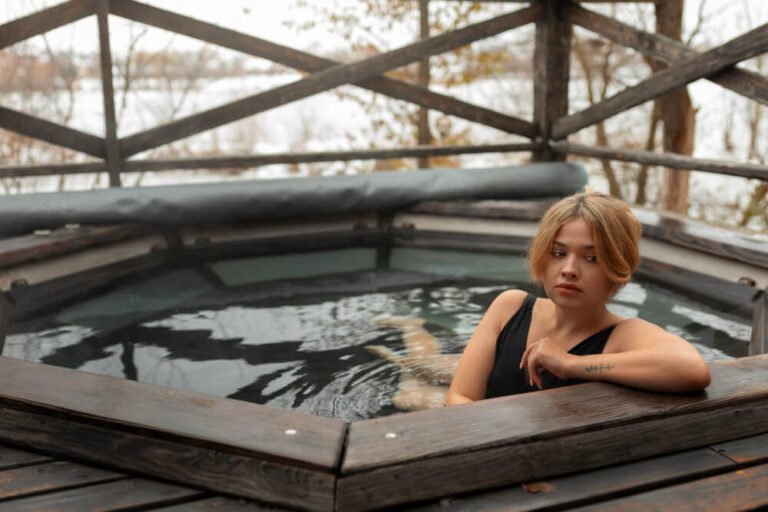
Hot tubs, whirlpools, heated pools, Epsom-salt baths. The most accessible form of hydrotherapy. Primarily used for muscle relaxation, pain relief, improved circulation, and stress reduction.Contrast Water Therapy
Alternating between hot and cold immersion, typically in cycles (e.g., 3 minutes warm, 1 minute cold, repeated 3-4 times). Popular with athletes and increasingly recommended by physiotherapists for managing chronic pain.Hydro-Massage and Water Jets
Whirlpool baths or specialized tubs with directed water jets. The mechanical pressure of the water provides a massage effect that helps break up muscle knots, improve circulation, and promote relaxation.Balneotherapy and Thalassotherapy
Balneotherapy uses mineral-rich thermal water. Thalassotherapy uses seawater. Both have long traditions in European and Asian medicine.Steam Therapy and Saunas
Not immersion, but still water-based. Steam rooms and saunas use heated water vapor to open airways, promote sweating, improve circulation, and relax muscles. They are often combined with cold plunges for a contrast effect.Who Is Hydrotherapy For?
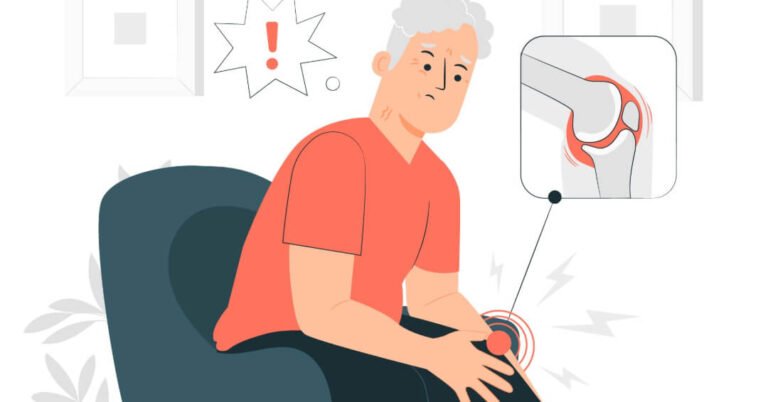
Honestly? Almost everyone. But certain groups benefit the most. People with chronic pain. Arthritis, fibromyalgia, chronic low-back pain, and joint conditions respond particularly well to warm-water therapy. The buoyancy reduces joint load, and the warmth dampens pain signals. Athletes recovering from training or injury. Cold water immersion and contrast therapy are standard recovery tools in professional and amateur sports. People dealing with anxiety or depression. This one surprises a lot of people, but the evidence is growing. A 2024 meta-analysis published in Current Psychology examined the effectiveness of hydrotherapy and balneotherapy for anxiety and depression symptoms. The researchers found statistically significant improvements in both conditions, suggesting that water-based therapies may serve as a useful complement to conventional mental health treatment [3]. We go deeper on this topic in our article about the mental health benefits of hydrotherapy. Older adults. Water-based exercise is lower-impact and safer for people with balance concerns or reduced bone density. The buoyancy provides a safety net that land-based exercise cannot match. People recovering from surgery. Aquatic therapy is commonly prescribed after knee replacements, hip replacements, and spinal surgeries once wounds have healed. Anyone under chronic stress. You do not need a diagnosed condition to benefit. Regular warm-water soaking lowers cortisol, activates the parasympathetic nervous system, and genuinely helps you sleep better.How to Get Started (Without Overcomplicating It)
You do not need a membership to a fancy spa or a referral to an aquatic therapy center to begin. Here is a simple progression.Level 1: At Home
- Contrast showers. End your regular shower with 30-60 seconds of cold water. Gradually increase the duration over weeks. This is free, takes no extra time, and introduces your body to thermal contrast.
- Epsom-salt baths. Add 2 cups of Epsom salt to a warm bath. Soak for 15-20 minutes. The magnesium in the salt may help with muscle relaxation, and the warm water does the rest.
- Cold foot baths. Fill a basin with cold water and ice. Soak your feet for 5-10 minutes. This is a gentle entry point to cold therapy.
Level 2: Local Facilities
- Public swimming pools. Many community pools offer warm-water sessions. Just walking or doing gentle exercises in chest-deep warm water is aquatic therapy.
- Gyms with hot tubs or saunas. Use the hot tub for 10-15 minutes after a workout. Follow it with a cold shower if you want the contrast effect.
Level 3: Guided Therapy
- Aquatic physiotherapy. If you have a specific condition — chronic pain, post-surgical recovery, arthritis — ask your doctor for a referral to an aquatic physiotherapist. These sessions are structured, progressive, and evidence-based.
- Hydrotherapy spas. Specialized facilities offer treatments like Vichy showers, hydro-massage, flotation tanks, and thermal circuits. These are worth trying once you know what your body responds to.
A Few Practical Notes
- Hydrate. Water therapy, especially hot, makes you sweat more than you realize. Drink water before and after.
- Start mild. If you have never done cold immersion, do not start with an ice bath. A cool shower is enough.
- Check with your doctor if you have cardiovascular issues, uncontrolled blood pressure, open wounds, or active infections. Extreme temperatures are not appropriate for everyone.
- Consistency beats intensity. Three short sessions per week will do more for you than one extreme session per month.