Passive Hydrotherapy for Stress: Floatation Tanks, Warm Baths, and What Works Without Effort
Most exercise-based stress relief requires effort — you have to run, lift, stretch, or swim. The appeal of hydrotherapy for stress is that some forms are genuinely passive: you immerse yourself in water and let physics and physiology do the work. But which passive approaches actually reduce stress, and which are just marketing a warm bath as something more?
This guide examines every passive hydrotherapy option — from floatation tanks to standard warm baths — evaluating the evidence for each and identifying what genuinely works for stress without requiring physical effort.
Key Takeaways
- Floatation-REST (Restricted Environmental Stimulation Therapy) has a 2025 systematic review covering 60 studies and 1,838 participants, showing positive effects on stress, anxiety, pain, and mental wellbeing (Kjellgren et al., 2025)
- Warm water immersion at 40–42.5°C shortens sleep onset by ~10 minutes and improves sleep quality — entirely passively (Haghayegh et al., 2019 — meta-analysis of 17 studies)
- Balneotherapy and spa therapy reduce cortisol levels — a direct, measurable marker of stress (Antonelli & Donelli, 2018 — systematic review)
- A standard warm bath provides the same core stress-reduction mechanism as any passive hydrotherapy system costing thousands of pounds
- “Zero-effort hydrotherapy pools” is a marketing term, not a distinct product category — all passive warm water immersion is “zero effort” by definition
What “Passive” Hydrotherapy Actually Means
Hydrotherapy divides into two broad categories based on what you do during the session:
Active hydrotherapy: You exercise in water — aquatic walking, resistance training, swimming against jets. The therapeutic benefit comes from physical activity in a buoyant, supportive environment. This has the strongest evidence base overall (Shi et al., 2023 — 32 RCTs, 2,200 participants for musculoskeletal conditions).
Passive hydrotherapy: You sit, lie, or float in water without exerting physical effort. The therapeutic benefit comes from water temperature, hydrostatic pressure, buoyancy, and (in floatation tanks) sensory reduction. This is what most people mean when they search for “zero-effort” hydrotherapy.
For stress relief specifically, passive hydrotherapy has genuine research support. The mechanisms are physiological, not mystical: warm water triggers measurable changes in your autonomic nervous system, hormone levels, and muscle tension.
Floatation Therapy (REST): The Most Researched Passive Approach
What it is: Floating in a shallow pool or enclosed pod containing water saturated with Epsom salts (magnesium sulphate) at skin temperature (34.5–35.5°C). The high salt concentration makes the body extremely buoyant — you float effortlessly on the surface. The environment is typically dark and silent, reducing sensory input to near zero.
Evidence quality: Moderate (growing)
A 2025 systematic review using PRISMA methodology surveyed the floatation-REST literature from 1960 to May 2024, including 60 studies with 1,838 total participants (Kjellgren et al., 2025, BMC Complementary Medicine and Therapies). The review found positive effects on:
- Stress reduction: Consistent across multiple studies
- Clinical anxiety: Significant reductions in anxious individuals
- Pain: Positive effects on chronic pain conditions
- Mental wellbeing: Improved across various measures
- Athletic performance: Some evidence for recovery enhancement
A 2023 randomised controlled trial recruiting 57 participants (37 with anxiety disorders, 20 non-anxious) found that floatation-REST significantly lowered blood pressure in both groups, increased serenity, and reduced state anxiety. Participants reported feeling significantly more relaxed and less anxious after floating compared to lying in bed (bed-REST control), suggesting benefits beyond simple rest.
The systematic review also found limited or no evidence for floatation therapy improving sleep disorders or aiding smoking cessation — demonstrating that the evidence is genuine (it distinguishes between what works and what doesn’t) rather than uniformly positive marketing.
How it works: The combination of sensory reduction (darkness, silence, skin-temperature water) and effortless buoyancy reduces proprioceptive and exteroceptive sensory input, which appears to shift the nervous system toward parasympathetic dominance. The experience has been shown to induce altered states of consciousness characterised by dissolution of body boundaries and distortion of subjective time — qualitatively different from simple relaxation.
Practical access: Floatation tanks are primarily available at specialist float centres and some spas. Home floatation tanks exist but cost £3,000–£15,000 and require a dedicated room. Commercial float sessions cost £40–£70 per hour in the UK.
Limitations: Many studies have small sample sizes. The 2025 systematic review noted that while results are consistently positive, higher-quality trials with larger samples are still needed to establish definitive clinical recommendations.
Warm Water Immersion: The Simplest Effective Option
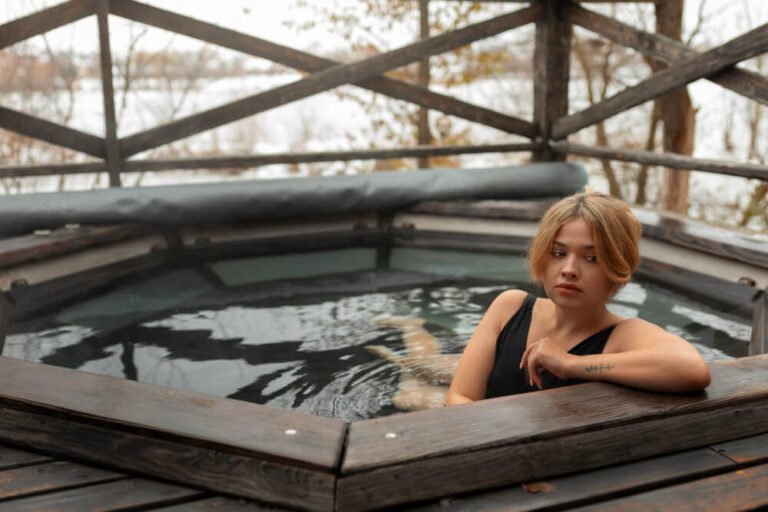
What it is: Sitting or lying in warm water at 40–42.5°C for 10–30 minutes. This can be in a bathtub, hot tub, or any container of warm water deep enough for meaningful immersion.
Evidence quality: Strong
Warm water immersion has the broadest evidence base for passive stress-related outcomes. A meta-analysis of 17 studies found that bathing at 40–42.5°C for as little as 10 minutes, 1–2 hours before bed, reduced sleep onset latency by approximately 10 minutes and improved overall sleep quality (Haghayegh et al., 2019). Poor sleep is both a consequence and a cause of stress — improving sleep quality breaks this cycle.
A systematic review of balneotherapy and spa therapy found that warm water immersion reduces cortisol levels — the primary stress hormone (Antonelli & Donelli, 2018). A 2023 systematic review confirmed that hydrotherapy improves sleep through effects on serotonin, histamine, and body temperature regulation (Gholami et al., 2023).
The mechanism: Warm water triggers peripheral vasodilation (blood vessel widening in hands and feet), which accelerates core body temperature decline. This decline activates the same circadian signalling pathway that initiates sleep — specifically, it suppresses cortisol and promotes melatonin release via the hypothalamic suprachiasmatic nucleus. The result is measurable: lower cortisol, higher parasympathetic activity, reduced heart rate, and decreased muscle tension.
Hydrostatic pressure from immersion adds a second mechanism: pressure on the body surface activates baroreceptors, which signal the brainstem to increase parasympathetic (calming) nervous system activity. This is why immersion feels more relaxing than a warm shower — the whole-body pressure stimulus is absent in a shower.
Practical access: A standard bathtub with a bath thermometer (£3–£8). Hot tubs: £300–£12,000. The therapeutic mechanism is identical regardless of the vessel used — the water temperature is what matters.
Hot Tubs with Hydro Jets: Warm Water Plus Massage
What they add: Pressurised water jets directed at specific body areas, providing massage-like stimulus alongside warm water immersion.
Evidence quality: Moderate (for the warm water); limited (for jet-specific benefits)
The warm water immersion component provides all the evidence-based benefits described above. The jet massage component adds a sensory element that many people find pleasant, but there is limited research specifically isolating the contribution of hydro jets to stress reduction beyond what warm water alone provides. Individual RCTs on whirlpool therapy show benefits for pain and range of motion (Timmers et al., 2017), but these study rehabilitation outcomes rather than stress.
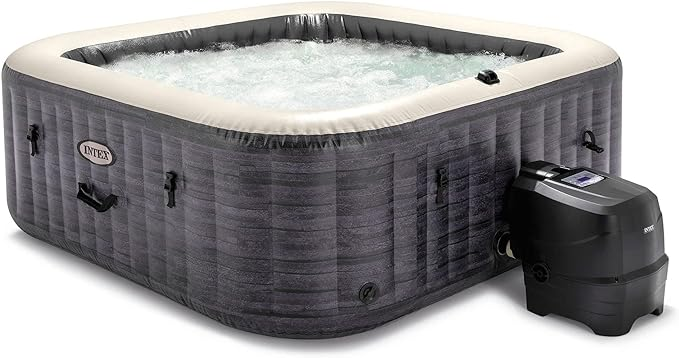
Practical consideration: Inflatable hot tubs have air bubble jets (low pressure, high noise). Hard-shell hot tubs have pressurised water jets (higher pressure, better massage effect). If jet massage is important to you, the difference is significant — air bubbles provide sensation but minimal therapeutic pressure.
UK costs: Inflatable (air jets): £300–£800 + £40–£85/month running. Hard-shell (water jets): £3,000–£12,000 + £30–£60/month running. See our year-round running cost guide for full ownership expenses.
Comparison: Passive Hydrotherapy Options for Stress
| Method | Evidence for Stress | Effort Required | Cost Per Session | Home Access |
|---|---|---|---|---|
| Floatation-REST | Moderate (60 studies, 1,838 participants) | None (lie still) | £40–£70 (commercial) | Limited (home tanks: £3k–£15k) |
| Warm bath (40–42.5°C) | Strong (17+ studies, systematic reviews) | None (sit/lie) | £0.50–£2 (water + heating) | Existing bathtub |
| Hot tub (water jets) | Moderate (warm water) + limited (jets) | None (sit) | £2–£5 (per use, amortised) | Requires purchase + maintenance |
| Foot bath (warm) | Low–moderate (small studies) | None (sit) | £0.20–£0.50 | Bowl of warm water |
Why “Zero-Effort Hydrotherapy Pools” Is a Marketing Term
The phrase “zero-effort hydrotherapy pool” appears frequently in online content but does not describe a distinct product category. All passive warm water immersion — whether in a bathtub, hot tub, swim spa, or floatation tank — is inherently “zero effort.” You sit or float in warm water. That is the entire interaction.
What varies between products is:
- Convenience: A hot tub maintains temperature so you don’t refill each time. A bathtub requires fresh water each use.
- Features: Jets, lighting, music, and temperature controls add comfort but do not change the core therapeutic mechanism.
- Size: Larger vessels allow full-body immersion more easily. Some hot tubs accommodate multiple people for social use.
- Maintenance burden: Hot tubs require regular chemical treatment and cleaning. Bathtubs require draining. Floatation tanks require the most maintenance (salt water management, filtration, disinfection).
If a product is marketed as a “zero-effort hydrotherapy pool,” evaluate it on these practical features — not on the implication that it provides a unique therapeutic mechanism. Our equipment decision framework can help you assess any product systematically. The stress-reduction mechanism is warm water immersion, and your bathtub already provides that.
Building a Passive Stress-Relief Routine
Based on the evidence, here is how to build an effective passive hydrotherapy routine for stress management:
Daily (free): Warm bath at 40–42.5°C for 10–20 minutes, ideally 1–2 hours before bed. This addresses both acute stress reduction (cortisol lowering) and sleep quality (thermoregulatory mechanism). Use a bath thermometer to ensure correct temperature — too hot (above 42°C) can be counterproductive, causing discomfort and overheating rather than relaxation.
Weekly or fortnightly (moderate cost): If you have access to a hot tub or home hydrotherapy setup, use it for 20–30 minutes. The maintained temperature and jet massage may enhance the subjective experience, though the core benefit remains warm water immersion.
Monthly (higher cost, best for acute stress/anxiety): A floatation-REST session at a commercial float centre. The sensory reduction component provides a qualitatively different experience from warm baths — particularly valuable during periods of high stress or anxiety. At £40–£70 per session, this is not a daily intervention but can be a powerful periodic tool.
What Passive Hydrotherapy Cannot Do for Stress
- Replace professional mental health treatment. If you are experiencing clinical anxiety, depression, or chronic stress that affects your daily functioning, warm water is not a substitute for therapy or medication. It may complement treatment — discuss this with your healthcare provider.
- Provide permanent stress relief from a single session. The cortisol-lowering effects of warm water immersion last hours, not days. Sustained benefit requires regular use, similar to exercise.
- “Detoxify” stress from your body. Stress is a neurological and hormonal state, not a toxin. Warm water shifts this state through measurable mechanisms — it does not “flush” anything.
- Address the causes of stress. Hydrotherapy manages the physiological symptoms of stress. It does not resolve workplace problems, financial pressure, relationship difficulties, or other stress sources. Effective stress management combines symptom management (where hydrotherapy fits) with addressing root causes.
Safety Considerations
- Temperature: Water above 40°C can cause burns with prolonged exposure. Limit sessions to 20–30 minutes. Pregnant women should keep water below 38°C.
- Cardiovascular conditions: Warm water immersion causes vasodilation and reduced blood pressure. People with uncontrolled hypertension, heart failure, or unstable cardiovascular disease should consult a doctor before regular use.
- Drowning risk: Falling asleep in a bathtub or hot tub is a genuine drowning risk, particularly when combined with alcohol or sedating medications. Never use alone if you are drowsy or have taken medication that causes sleepiness.
- Floatation tanks: Claustrophobia may prevent some people from using enclosed pods. Open-pool designs are available as an alternative. Avoid floating with open wounds (the high salt concentration causes significant stinging).
Related Reading
- Hydrotherapy for Relaxation: What Happens to Your Nervous System
- How Hydrotherapy Machines Actually Work: The Physics
- Running a Hydrotherapy Spa Year-Round: True Costs
- Choosing the Right Hydrotherapy Equipment
References
- Kjellgren, A. et al. (2025). A systematic review of flotation-restricted environmental stimulation therapy (REST). BMC Complementary Medicine and Therapies. PubMed
- Haghayegh, S. et al. (2019). Before-bedtime passive body heating by warm shower or bath to improve sleep: A systematic review and meta-analysis. Sleep Medicine Reviews, 46, 124–135. PubMed
- Antonelli, M. & Donelli, D. (2018). Effects of balneotherapy and spa therapy on levels of cortisol as a stress biomarker: a systematic review. International Journal of Biometeorology, 62(6), 913–924. PubMed
- Gholami, M. et al. (2023). Efficacy of hydrotherapy, spa therapy, and balneotherapy on sleep quality: a systematic review. International Journal of Biometeorology. PubMed
- Shi, Z. et al. (2023). Efficacy of aquatic exercise in chronic musculoskeletal disorders: a systematic review and meta-analysis. Journal of Orthopaedic Surgery and Research, 18, 917. PubMed